 P
P
You have received completely contradictory advice about the same food. One source tells you soy is a natural, plant-based estrogen that can help manage hot flashes and give your body some of the hormonal support it is missing. Another source tells you soy is an estrogen disruptor that mimics hormones in dangerous ways and should be avoided entirely. Both claims cannot be right. Both are being made by people who believe they are giving you accurate information. And you are standing in the grocery store staring at edamame not knowing what to put in your cart.
The confusion is understandable because the reality of phytoestrogens is genuinely nuanced, and most of what circulates on social media flattens that nuance into a binary that does not reflect the science. The good news is that the actual research is more useful, and considerably less alarming, than the most extreme positions suggest.
This article will explain what phytoestrogens actually are, how they interact with the body’s estrogen system, what the evidence shows about their effects on menopause symptoms, who is most likely to benefit, and the meaningful difference between whole food sources and highly processed products.
What phytoestrogens actually are
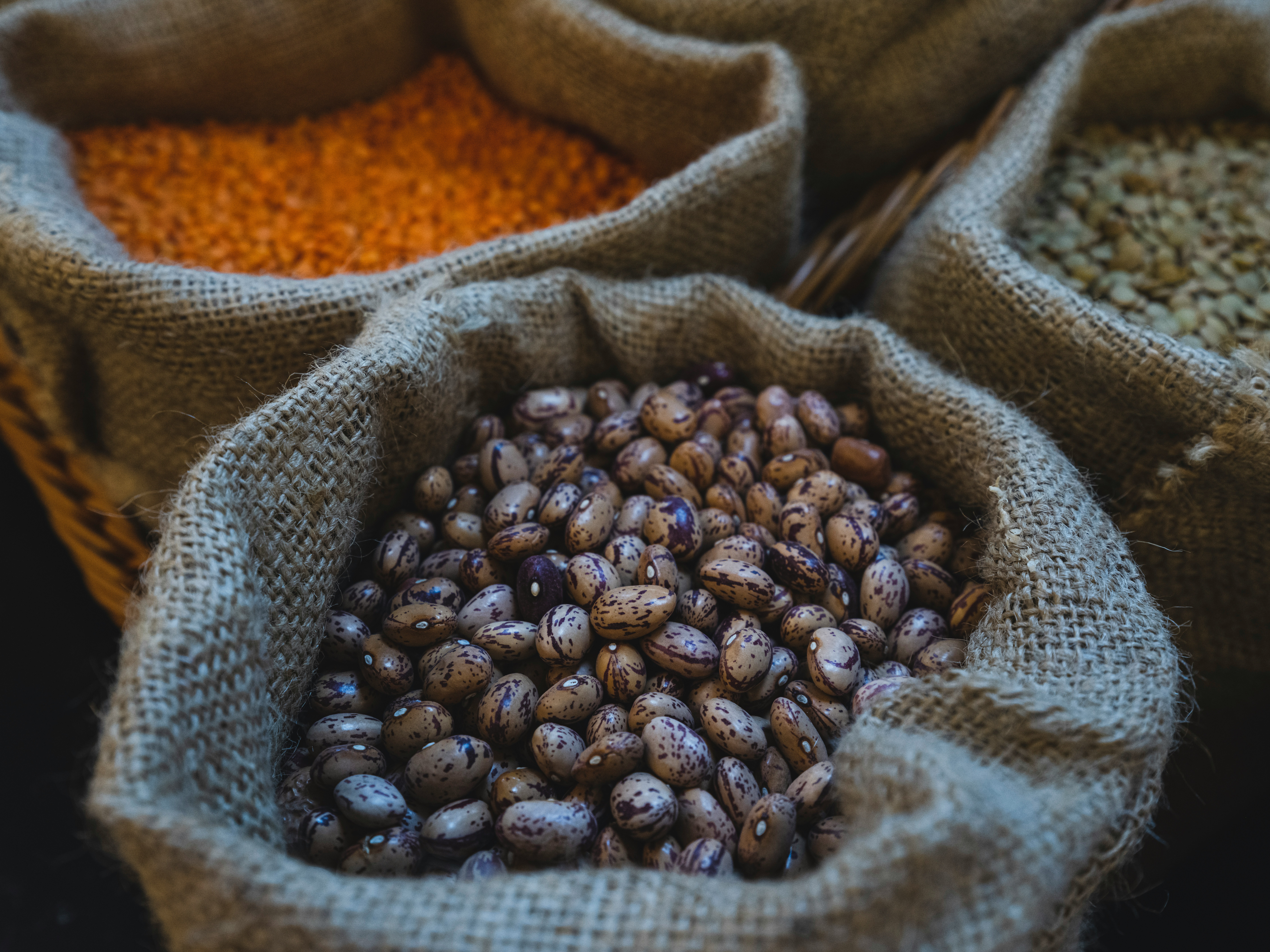
Phytoestrogens are naturally occurring plant compounds that have a chemical structure similar enough to human estradiol that they can bind to estrogen receptors in the body. The three main classes are isoflavones (found primarily in soy, also in legumes), lignans (found in flaxseed, sesame seeds, whole grains, and some vegetables), and coumestans (found in sprouted legumes and some clover-related plants).
The key word in understanding phytoestrogens is selective. They are selective estrogen receptor modulators, meaning they do not simply act like estrogen everywhere in the body. They bind to estrogen receptors but produce weaker effects than endogenous estradiol, and their effects vary by tissue depending on which estrogen receptor subtype (alpha or beta) is predominant.
This selectivity is why the claims at both ends of the soy debate miss the mark. Phytoestrogens are not potent estrogens that flood the body with hormonal signals. They are weak, partial estrogen mimics with tissue-specific effects that are significantly more modest than their reputation, in either direction, suggests.
The Menopause Society (formerly North American Menopause Society) has reviewed the evidence on phytoestrogens and concluded that dietary isoflavones and lignans from whole foods appear to be safe for most women and may offer modest benefits for vasomotor symptoms in some individuals.
The equol question: why soy works for some women and not others
Here is where the soy story gets genuinely interesting. Isoflavones from soy, primarily daidzein and genistein, are converted by gut bacteria into more active compounds. Daidzein is metabolized by certain gut bacteria into a compound called equol, which has stronger estrogenic activity than the parent compound and better tissue penetration.
The problem is that only about 30-50% of Western women have the gut microbiome capable of producing equol. In populations with higher soy consumption from childhood, particularly in Japan and other East Asian countries, the equol-producer rate is significantly higher, around 50-60%.
This explains much of the inconsistency in soy and hot flash research. Studies show significant reduction in hot flash frequency and severity in equol-producing women, and minimal benefit in non-producers. Without knowing whether a study population is predominantly equol producers or non-producers, the average effect appears modest and inconsistent.
A 2023 randomized controlled trial published in Menopause found that women randomized to a low-fat plant-based diet with one serving of soybeans daily experienced a 79% reduction in moderate-to-severe hot flashes over twelve weeks. This striking result was likely enhanced by the fact that the dietary intervention also supported beneficial gut bacteria associated with equol production. However, this was a specific dietary context, not just supplemental soy isoflavones, which makes it difficult to isolate the soy effect from the broader dietary pattern.
The practical implication: whether soy will help with your hot flashes is partly a function of your individual gut microbiome, which you cannot easily determine without specialized testing. Some women try a consistent intake of whole food soy for six to eight weeks and notice a clear effect. Others notice nothing. Both responses are biologically valid.
Flaxseed lignans: a different mechanism
Flaxseed is the richest dietary source of lignans, a different class of phytoestrogen. Flaxseed lignans are converted by gut bacteria into enterolignans, primarily enterodiol and enterolactone, which have mild estrogenic and antiestrogenic activity depending on the tissue and the prevailing hormonal environment.
The research on flaxseed and menopause symptoms is more limited than the soy literature but is generally positive and carries a favorable safety profile. A 2007 randomized pilot study published in the Journal of the Society for Integrative Oncology found that forty grams of crushed flaxseed daily reduced hot flash frequency by 50% over six weeks in postmenopausal women who declined or were unable to use estrogen therapy.
Beyond vasomotor symptoms, flaxseed has evidence for reducing LDL cholesterol, improving bowel function due to its high fiber content, and providing anti-inflammatory omega-3 fatty acids (alpha-linolenic acid). For women looking for a whole-food addition with multiple potential benefits and a low risk profile, ground flaxseed is one of the more straightforwardly evidence-supported options.
Whole flaxseeds pass largely undigested. Ground flaxseed (freshly milled from whole seeds, or purchased pre-ground and stored in the refrigerator) is far better absorbed. Two tablespoons daily is the dose used in most studies.
The safety question for women with hormone-sensitive conditions
The concern most commonly raised about phytoestrogens is whether they could stimulate hormone-sensitive cancers, particularly breast cancer. The research does not support this concern for whole food soy in amounts consistent with a normal diet.
Multiple large prospective studies in both Asian and Western populations have found that regular soy consumption is not associated with increased breast cancer risk and may, in fact, be associated with modest risk reduction. A 2020 meta-analysis published in Cancer found that higher soy isoflavone intake was significantly associated with reduced breast cancer mortality in women who had been diagnosed with breast cancer, suggesting soy does not stimulate cancer growth even in a cancer context.
The concern about phytoestrogens in women with breast cancer history is more nuanced and should be discussed with an oncologist, since the evidence in the post-diagnosis context involves additional complexity. But for women without a breast cancer history, the safety profile of whole food soy in normal dietary amounts is well-supported.
Highly processed soy products, soy protein isolate in large quantities, and concentrated isoflavone supplements are a different category from whole food soy. The processing changes the isoflavone profile and the food matrix in ways that make the safety and efficacy data from whole food studies less directly applicable.
Whole food versus processed: the distinction that matters
Edamame, tofu, tempeh, miso, and natto are the whole and minimally processed soy foods with the longest track record of safe, regular consumption. These foods have been dietary staples in East Asian populations for centuries without evidence of harm. The isoflavone content per serving is meaningful but not extreme.
Highly processed soy products, including many soy protein bars, soy protein powders, and fortified processed foods, often contain soy protein isolate from which much of the natural food matrix has been removed. The evidence base for these products is considerably thinner than for traditional whole soy foods.
The same principle applies to phytoestrogen supplements: concentrated isoflavone capsules are not equivalent to eating tofu, and the evidence for their safety and efficacy at high doses is weaker.
The bottom line
Eating whole soy foods regularly is safe for most women and may reduce hot flash frequency, particularly in the roughly half of Western women who produce equol. Flaxseed is a well-tolerated, multi-benefit addition that is worth trying. Neither is a replacement for evidence-based menopause treatment for women with significant symptoms.
Put the edamame in the cart. The evidence says it belongs there.
Medical disclaimer: This article is for educational purposes only and does not constitute medical advice, diagnosis, or treatment. Always consult a qualified healthcare provider regarding any medical condition or before starting any new treatment.