 P
P
She has been eating less for two years. Less bread, less pasta, smaller portions at dinner, skipping lunch some days. The logic seemed solid: eat less, weigh less. But she is not losing weight. She is losing something else. Her clothes fit differently, not smaller, just redistributed. She feels weaker than she used to. She is tired in a way that sleep does not fix. And in the mirror, the softness she is trying to minimize seems to be increasing despite the restriction.
What is happening is not a willpower failure. It is a metabolic mismatch. The body that needed one level of protein in its thirties now needs significantly more, and providing it with less is producing exactly the opposite of the intended result. Muscle is being lost. Metabolism is slowing. Hunger and cravings are increasing because the body is signaling, correctly, that it is not getting what it needs.
This article will explain the specific protein requirements for menopausal women, the science behind why those requirements are higher than general guidelines suggest, what happens when protein is too low, and the most practical ways to meet your needs consistently.
Why protein needs change at menopause
Protein is the raw material for muscle protein synthesis, the ongoing process by which the body builds and repairs muscle tissue. This process requires both a training stimulus (exercise) and an adequate supply of amino acids from dietary protein. In younger adults, the threshold for triggering muscle protein synthesis is relatively low. In older adults and particularly in women navigating the declining estrogen levels of perimenopause, that threshold rises.
This phenomenon is called anabolic resistance. It means that the same amount of protein that would have driven robust muscle protein synthesis in your thirties produces a significantly smaller response in your forties and fifties. The solution is not to give up on muscle maintenance. It is to consume more protein, more strategically.
Dr. Stacy Sims, exercise physiologist and researcher whose work focuses specifically on female physiology across the lifespan, is among the most vocal advocates for higher protein intake in menopausal women. She recommends one gram of protein per pound of bodyweight per day for perimenopausal and postmenopausal women who are training, which is significantly more than standard general nutrition guidelines suggest.
For a 150-pound woman, that is 150 grams of protein daily. For context, the standard Recommended Dietary Allowance for protein in adult women is 46 grams per day. The RDA is designed to prevent deficiency, not to support muscle preservation in the context of hormonal changes and an aging musculoskeletal system. It is a floor, not an optimum.
The sarcopenia problem
Sarcopenia, the progressive loss of skeletal muscle mass and function with age, accelerates significantly after menopause. Multiple factors drive this: declining estrogen (which has anabolic properties in muscle tissue), reduced physical activity levels in many women, lower dietary protein intake due to caloric restriction attempts, and the anabolic resistance that requires more protein per meal to achieve the same muscle protein synthesis response.
The consequences of sarcopenia in midlife women extend well beyond aesthetics. Muscle mass is the primary driver of resting metabolic rate. As muscle mass falls, caloric needs decrease, which means weight gain becomes easier even without any change in actual food intake. The woman who is eating the same as she always has but gaining weight is not imagining things. Her muscle mass, and therefore her metabolic engine, has changed.
According to a 2021 review published in the Journal of Cachexia, Sarcopenia and Muscle, women who lose significant muscle mass in their forties and fifties face substantially higher risks of metabolic dysfunction, physical disability, falls, and poor quality of life in later decades. Preventing sarcopenia during the menopause transition is not about looking a certain way. It is about maintaining the physical and metabolic capacity that determines quality of life for the next thirty to forty years.
The leucine threshold and meal distribution
Not only does total daily protein matter, but so does how it is distributed across meals and how much protein each meal contains.
Leucine is the specific amino acid that acts as the primary trigger for muscle protein synthesis. There is a threshold of leucine per meal, approximately 2-3 grams, that must be reached to switch on the muscle-building machinery. Below that threshold, a meal may provide protein calories without meaningfully stimulating muscle maintenance.
Dr. Sims recommends thirty-five to forty grams of protein per meal for perimenopausal women, which is sufficient to reliably clear the leucine threshold. This is notably more than many women currently eat in a single sitting, particularly at breakfast, which is often the lowest-protein meal of the day for most people.
The practical implication is that spreading protein across three or four meals is more effective for muscle preservation than eating most of it in one meal. Two hundred grams of protein eaten entirely at dinner does not produce the same muscle-building stimulus as that same amount distributed across breakfast, lunch, a post-workout snack, and dinner.
The best protein sources for menopausal women
Animal proteins generally have the highest leucine content per gram of total protein and the most complete amino acid profiles. Eggs, chicken, turkey, fish, seafood, beef, pork, and dairy products are all efficient protein sources. Salmon and other fatty fish offer the additional benefit of omega-3 fatty acids with anti-inflammatory properties.
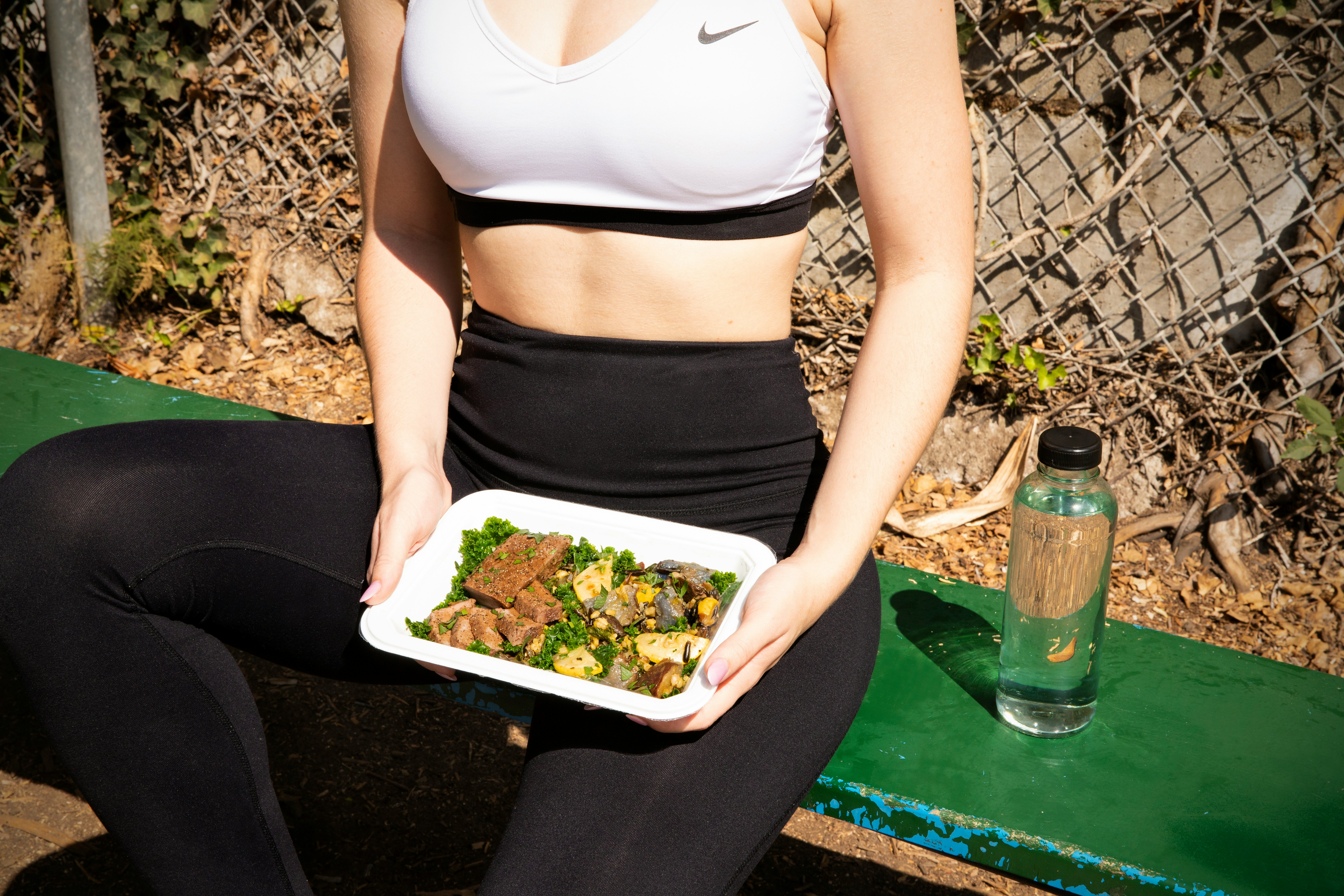
Dairy is particularly worth highlighting. Greek yogurt, cottage cheese, and milk provide leucine-rich protein alongside calcium and, in the case of fermented products, beneficial bacteria. A cup of full-fat Greek yogurt provides around seventeen to twenty grams of protein. Two eggs provide about twelve grams. A 4-ounce chicken breast provides around thirty-five grams.
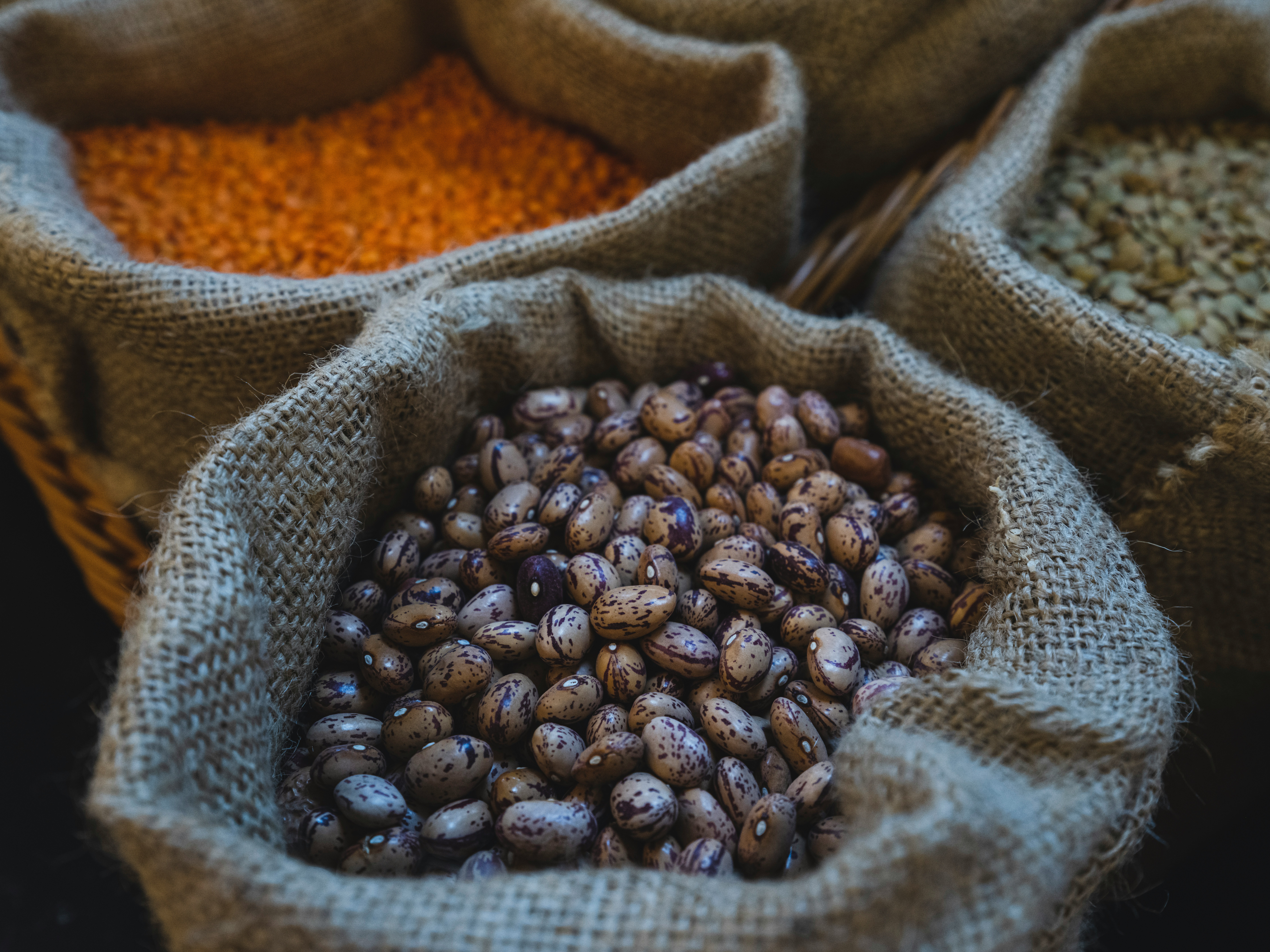
Plant proteins are valuable and can absolutely contribute to total protein needs, but most plant sources have lower leucine content per gram of total protein and lower overall bioavailability. Legumes, lentils, chickpeas, edamame, tofu, tempeh, and hemp seeds are among the highest-protein plant foods. Women relying primarily on plant protein for their thirty-five to forty gram per meal targets will typically need to eat somewhat more total protein to compensate for lower leucine density.
Protein supplements including whey, casein, and plant-based protein powders can be useful tools for meeting higher protein targets without significantly increasing caloric intake. Whey protein is particularly leucine-rich and fast-absorbing, making it a useful post-workout option. Casein, a slower-digesting protein, may be useful in the evening for overnight muscle protein synthesis support.
What happens when protein is too low
The woman eating less, restricting calories without ensuring adequate protein, is typically in a state of relative protein deficiency relative to her muscle needs. The consequences are predictable: muscle is broken down to meet the body’s amino acid demands, metabolic rate slows, and body composition shifts toward more fat and less muscle even without a change in scale weight. This is sometimes called “skinny fat” but is more accurately described as metabolic decline.
Beyond body composition, insufficient protein affects immune function, wound healing, skin and hair integrity, hormone production (hormones are made from protein and fat), and cognitive function. Women who are calorie-restricting without protein prioritization are often running a deficit in multiple dimensions simultaneously.
The solution is not to eat more of everything. It is to replace the empty calories in a typical low-calorie diet with protein. A woman who swaps a low-protein breakfast of toast and coffee for eggs and Greek yogurt is not eating more food. She may actually be eating similar or fewer calories. But she is meeting her protein needs and therefore protecting the muscle and metabolism that determine how her body functions and feels.
A practical starting point
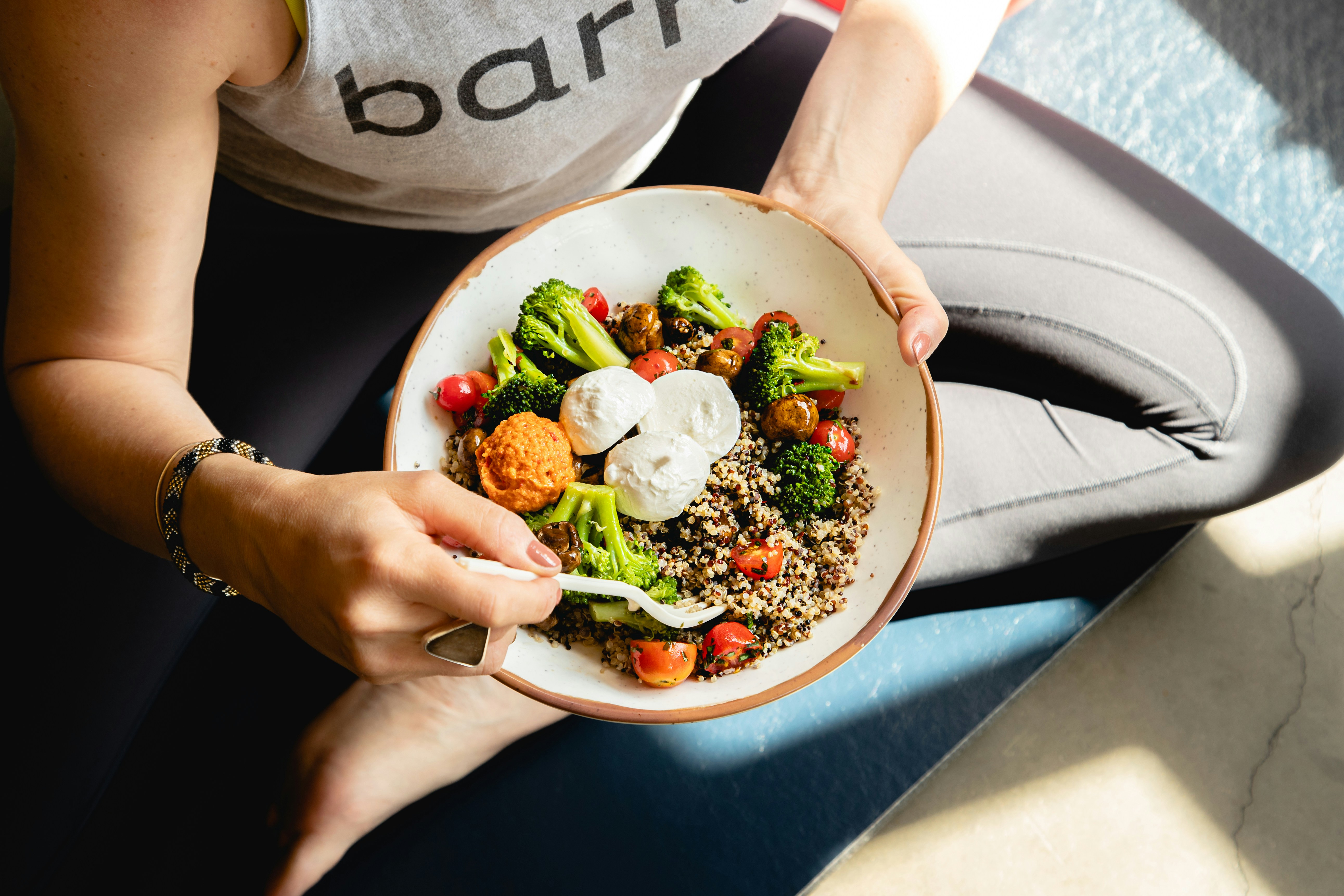
If you have been eating less and feeling worse, start with protein first. Aim for at least thirty grams of protein at breakfast, thirty-five to forty grams at lunch and dinner, and consider a protein-rich snack around workouts.
Track your intake for a week without changing anything else: most women are surprised by how far below their actual protein needs they are eating. Then make adjustments toward the higher target, prioritizing leucine-rich sources and distributing protein across the day.
The goal is not deprivation. It is sufficiency. Your body has specific needs right now, and meeting them is what allows everything else, training, sleep, energy, body composition, to improve. Feed the muscle you are trying to keep.
Medical disclaimer: This article is for educational purposes only and does not constitute medical advice, diagnosis, or treatment. Always consult a qualified healthcare provider regarding any medical condition or before starting any new treatment.