 P
P
What you eat during menopause affects your hormones, weight, sleep, mood and long-term health in ways that are different from any other stage of life. This is not about eating less. It is about eating differently. Here is what the research actually says about the best eating pattern for this transition.
Why eating habits matter differently in menopause
Menopause changes body composition, bone health, insulin sensitivity, and cardiovascular risk over time. At the same time, many women are also dealing with poor sleep, lower energy, and weight redistribution around the abdomen. That means food is doing more than affecting the scale. It is influencing muscle maintenance, blood sugar stability, inflammation, gut function, and long-term health risk.
This is why menopause nutrition advice works best when it moves away from restriction culture. A plan built only around eating less often fails because it ignores the body’s need for protein, steadier energy, and recovery support.
The question is not “How little can I eat?” It is “What pattern helps this body function better now?”
What to eat more of
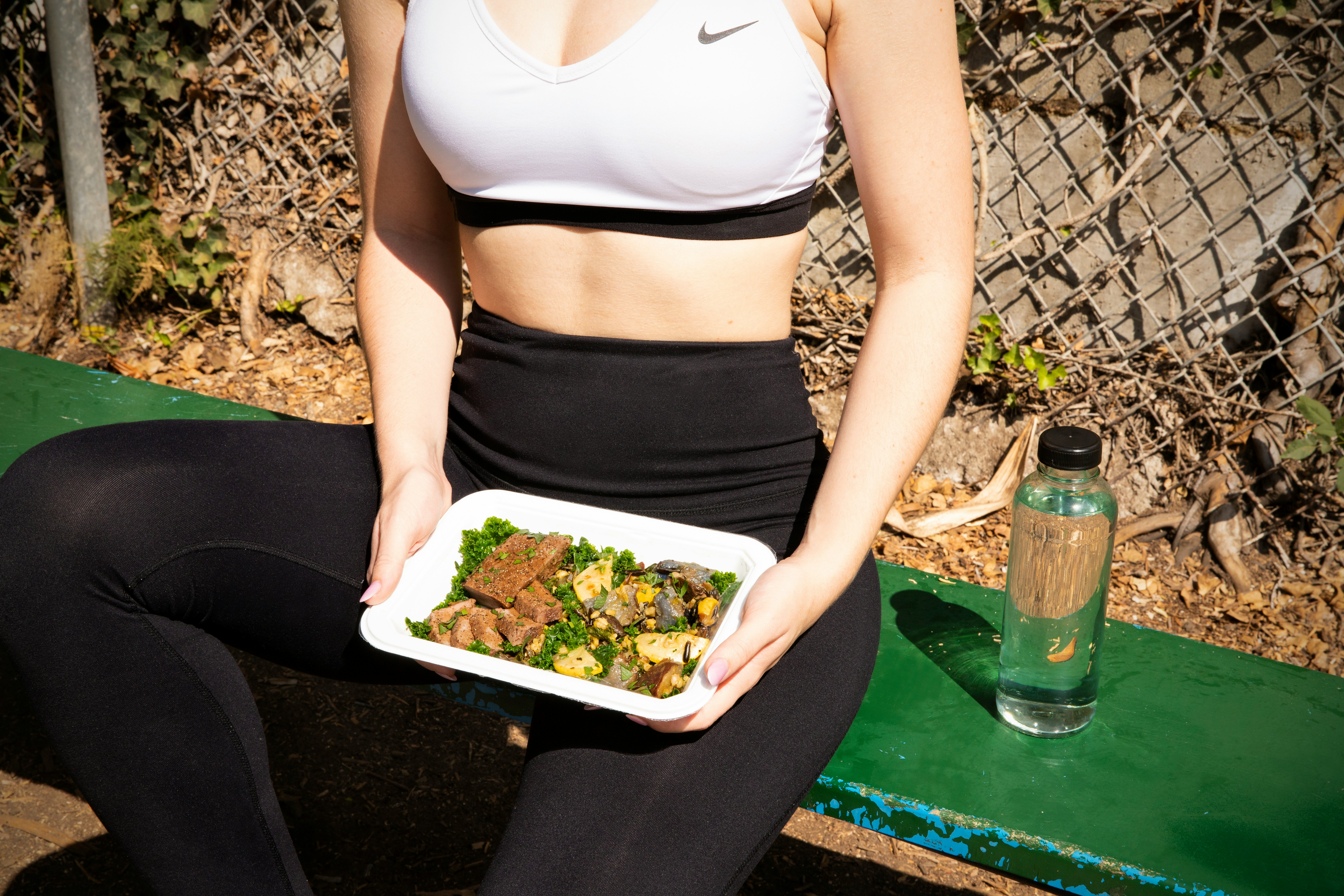
Protein deserves priority. Many midlife women are under-eating it, especially if they are dieting. Protein helps preserve muscle, supports satiety, and works with strength training to protect metabolism and bone. Include a meaningful protein source at meals whenever possible.
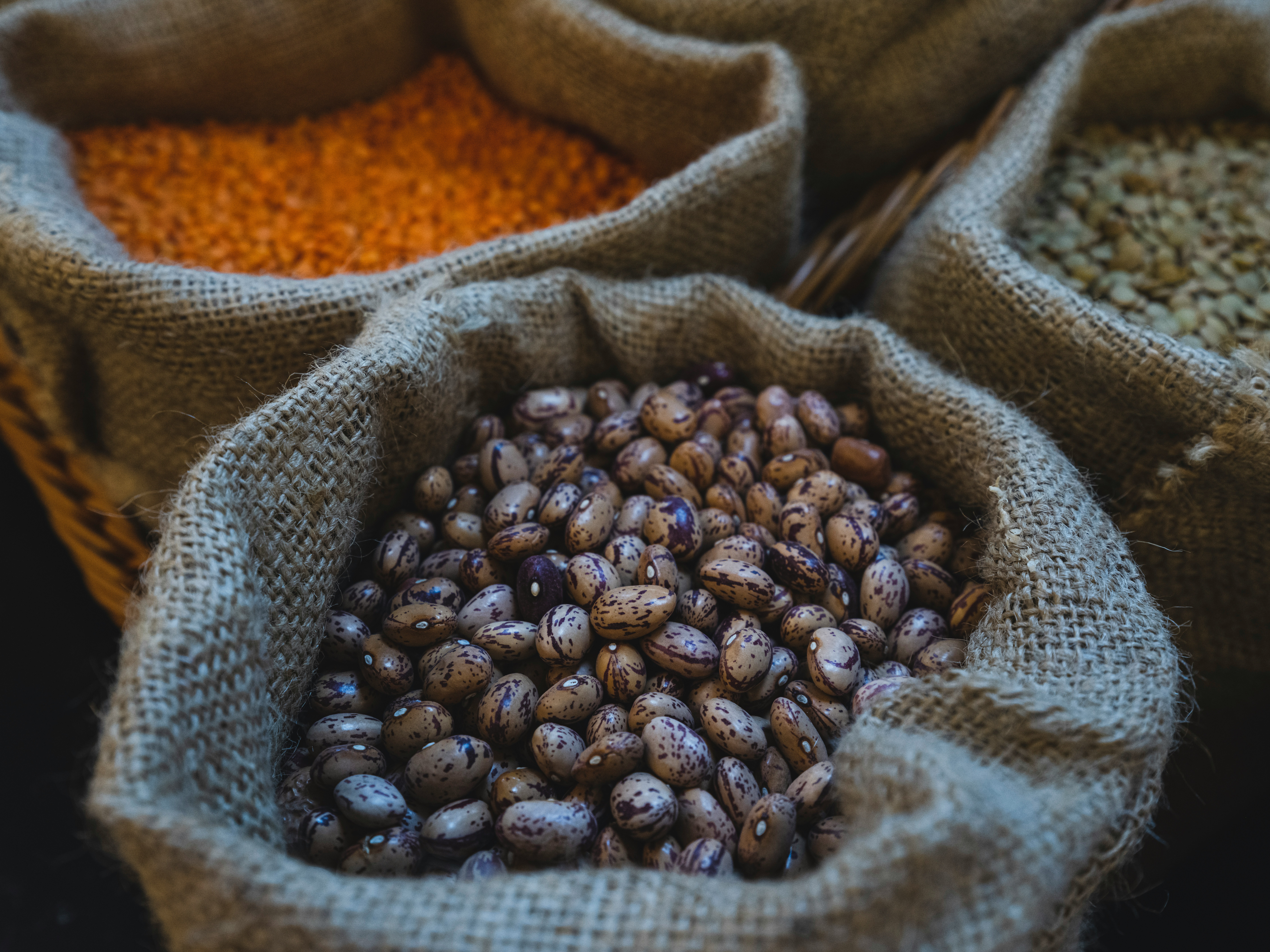
Fiber is another major pillar. Beans, lentils, vegetables, fruit, whole grains, nuts, and seeds help support blood sugar steadiness, digestion, fullness, and cardiovascular health. Since menopause raises long-term heart risk, these foods matter for more than bowel regularity.
Calcium-rich foods deserve more attention than they often get. Dairy, fortified plant milks, sardines with bones, leafy greens, and almonds can all contribute to the roughly 1,000 to 1,200 mg of calcium per day recommended for women after menopause. Spreading calcium across two or three meals rather than taking a large supplement all at once improves absorption, since the body can only absorb around 500 mg efficiently in one sitting.
Healthy fats also matter, especially from foods such as olive oil, nuts, seeds, avocado, and fatty fish. These can support satiety and heart health in a way low-fat, highly processed diet plans often do not.
What some women need to limit
There is no universal menopause blacklist, but some foods or drinks clearly worsen symptoms for some women. Alcohol can intensify night waking and hot flashes. Excess caffeine may worsen anxiety, palpitations, or sleep disruption. Highly processed foods may leave some women hungrier or more prone to energy crashes.
Very large evening meals can also worsen reflux, poor sleep, or overnight discomfort. If hot flashes or blood sugar dips are a problem, meal timing may matter more than women expect.
Ultra-processed foods are also worth limiting, not as a moral issue but as a practical one. Large observational studies now consistently link high ultra-processed food intake to worse cardiovascular outcomes and a higher risk of metabolic problems. In menopause, when cardiovascular risk is already rising with the loss of estrogen’s protective effect, this matters more than it might have in earlier decades.
The key is to notice what consistently worsens your symptoms rather than chasing extreme elimination plans with no clear purpose.
Bone and heart health should stay in the frame
As estrogen declines, attention to calcium, vitamin D, and heart-friendly eating becomes more important. That does not mean obsessing over every nutrient, but it does mean a diet built around convenience snacks and skipped meals may catch up with you faster in midlife.
A Mediterranean-style eating pattern is often recommended because it supports cardiovascular health, includes fiber and healthy fats, and tends to be sustainable. Research repeatedly links this kind of pattern with better long-term health outcomes.
Menopause is a good time to stop separating symptom management from preventive health. The two are connected.
Meal timing, intermittent fasting, and practical planning
Meal timing can matter more during menopause than it did earlier in life. Insulin sensitivity tends to decrease after estrogen declines, meaning the same meal can produce a larger blood sugar swing depending on when it is eaten. Front-loading calorie intake earlier in the day with a lighter evening meal is supported by circadian biology research and may also benefit sleep quality.
Intermittent fasting, more specifically time-restricted eating within a window of 10 to 14 hours, has attracted growing interest in the menopause research space. Some trials in perimenopausal and postmenopausal women suggest it may support insulin sensitivity and body composition without requiring significant calorie restriction. The evidence is still developing, and very long fasting windows can increase cortisol and contribute to muscle loss if protein intake is too low, so an extreme approach is not necessary to gain potential benefit.
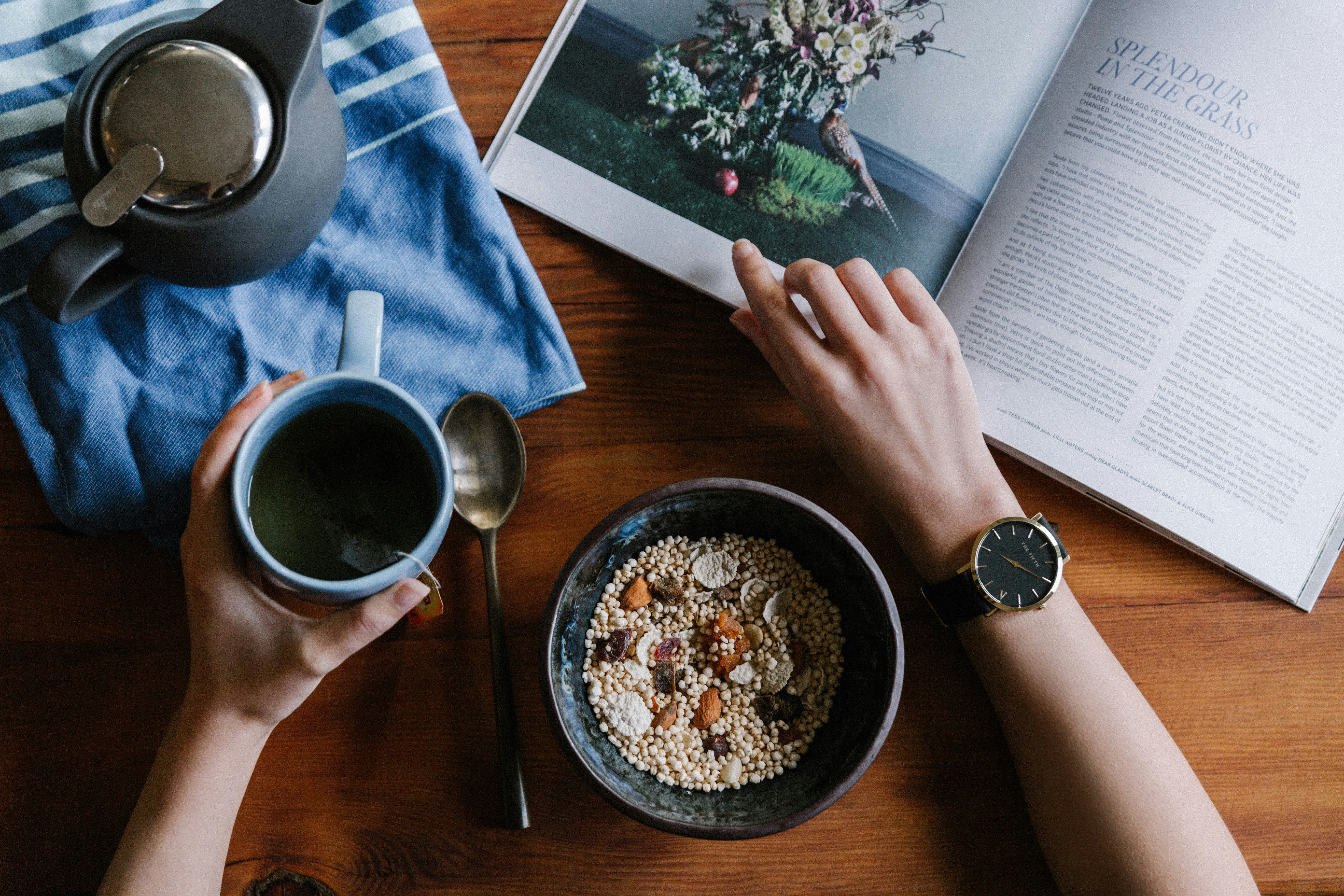
A practical starting point is a 12 to 14 hour overnight fast, for example finishing dinner by 7 p.m. and eating breakfast at 7 to 9 a.m., while ensuring the first meal of the day includes a meaningful amount of protein. Preparing one or two high-protein bases at the start of the week, such as cooked lentils, chicken breast, or hard-boiled eggs, reduces the daily friction that leads to skipping meals or reaching for convenience food instead.
What about soy, sugar, and supplements?
Soy foods are often discussed because they contain isoflavones, which have mild estrogen-like effects. Some women find them helpful, and moderate intake through food is generally considered safe for most women. They are not a miracle, but they do not need to be feared.
Sugar is often blamed for everything, but the more useful question is how your total eating pattern affects energy, cravings, and blood sugar. Occasional sugar is not the issue. A diet built around frequent spikes and crashes may make symptoms harder to manage.
Supplements can have a role, but they should not replace foundational nutrition. Midlife health is still built mostly from meals, not powders.
The best diet is the one you can actually live with
Menopause nutrition works best when it is practical, not performative. You do not need a punishing plan. You need a pattern that supports muscle, sleep, digestion, energy, and long-term health without making food one more stressor.
If this article helped you think more clearly about what to eat in menopause, read more on Eve and Beyond or join our community for practical support that respects real life, not diet culture fantasies.
Medical disclaimer: This article is for educational purposes only and is not medical advice. It is not a diagnosis, treatment plan, or substitute for care from a qualified healthcare professional. If you have concerning symptoms, seek medical care promptly.