 P
P
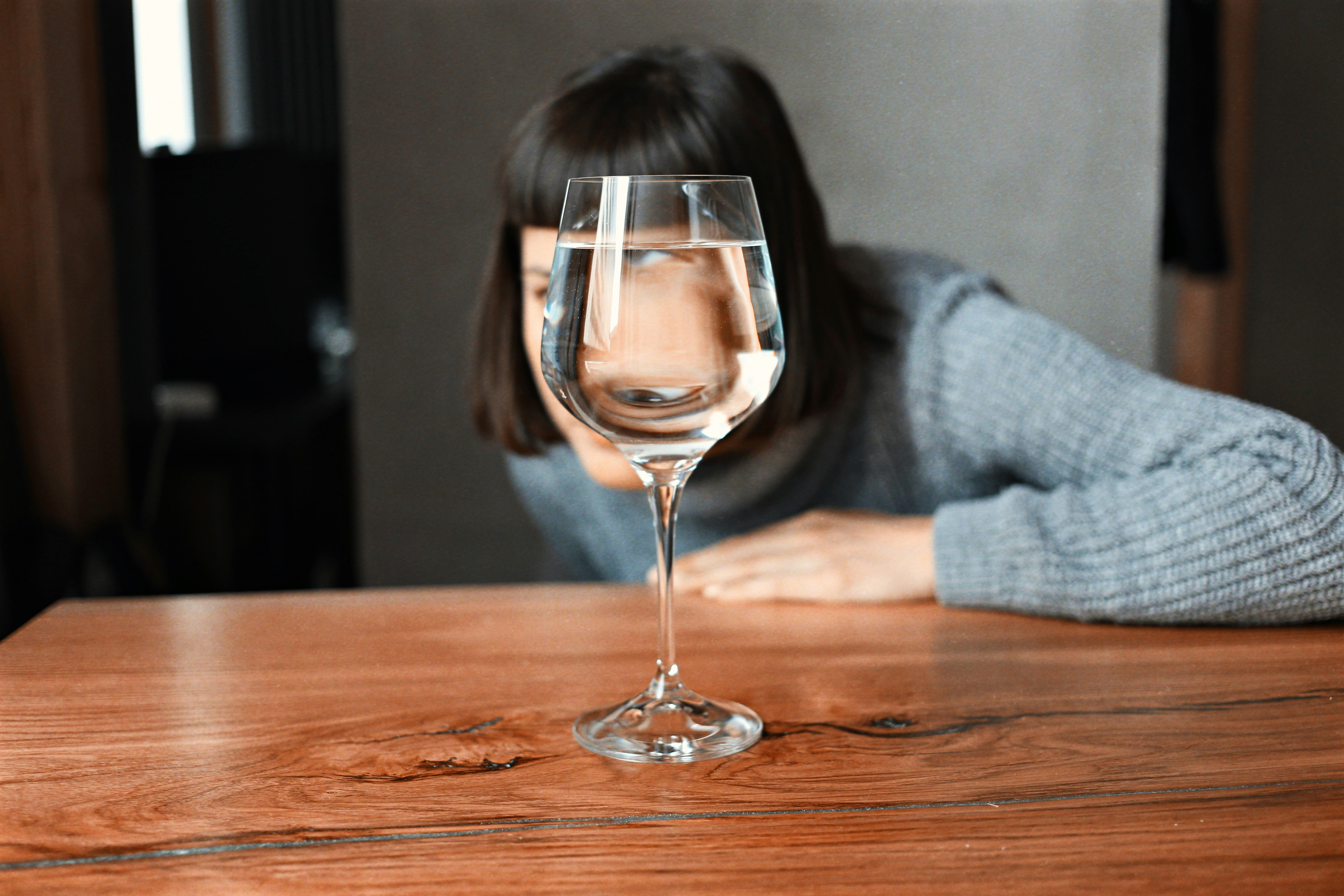
One glass of wine now does what three used to. The next morning feels catastrophic, your sleep was wrecked by 2 a.m., and the hot flashes that woke you were worse than usual. You used to be able to have a drink with dinner and feel fine. Now even a single glass seems to tip something over. You have not become weaker. Your body has changed in ways that make alcohol land differently, and understanding why can help you make decisions that actually fit where you are right now.
This is a common experience among women in perimenopause, and it has nothing to do with discipline or tolerance in the social sense. The hormonal changes of perimenopause alter how the body processes alcohol, how alcohol interacts with sleep architecture, and how it affects the symptoms you are already managing. The effect is real, measurable, and largely invisible in mainstream health conversations.
This article explains the science behind why alcohol hits harder now, how it interacts specifically with perimenopause symptoms, what the research actually says, and how some women are choosing to navigate this without judgment or prescription.
How the body processes alcohol differently in perimenopause
Alcohol metabolism changes with age and with hormonal status. Women generally process alcohol differently from men at baseline, due to differences in body water percentage, alcohol dehydrogenase enzyme activity, and gastric absorption rates. But within the female lifespan, perimenopause introduces additional shifts.
Declining estrogen affects liver enzyme function and alters how efficiently alcohol is broken down. Body composition changes that occur during perimenopause, including increased body fat relative to lean mass, mean that the same amount of alcohol is distributed through less water, resulting in a higher blood alcohol concentration. This is not something you can feel happening. It shows up in the effects afterward.
Hormonal fluctuations also affect how the brain responds to alcohol’s sedative properties. Estrogen has a complex relationship with GABA, the brain’s primary calming neurotransmitter. Alcohol also acts on GABA receptors. When estrogen is fluctuating, the GABA system is already dysregulated, which is one reason why anxiety is so common in perimenopause. Alcohol may initially feel calming, but as it metabolizes during the night, it causes rebound excitability, which disrupts sleep and can worsen anxiety significantly.
The morning after is not in your head. It is biochemistry.
How alcohol interacts with perimenopause symptoms
The interaction between alcohol and specific perimenopause symptoms is where the impact becomes clearest.
Hot flashes are one of the most direct interactions. Alcohol dilates blood vessels and raises core body temperature, both of which can trigger or intensify vasomotor symptoms. A study published in Menopause, the journal of the North American Menopause Society, found that women who drank alcohol regularly were significantly more likely to experience severe hot flashes than non-drinkers. Even moderate drinking was associated with increased vasomotor symptom frequency.
Sleep is the other major area. Many perimenopausal women already struggle with broken sleep, night sweats, and difficulty returning to sleep after waking. Alcohol suppresses REM sleep in the first half of the night and causes sleep fragmentation in the second half. For a woman already waking from night sweats at 3 a.m., alcohol significantly worsens the recovery window. The result is a night that felt like rest but was not restful at all.
Mood and anxiety are also affected. Alcohol is a depressant, and regular use can blunt the body’s natural serotonin and dopamine regulation. For women whose mood is already being affected by estrogen fluctuations, alcohol adds an additional layer of neurochemical instability. Many women report that their perimenopause anxiety is noticeably worse on days following drinking, even from a single drink.
Weight is another consideration, and not just the calories. Alcohol increases cortisol, which promotes abdominal fat storage, the very pattern that frustrates so many women in perimenopause. It also reduces the quality of recovery from exercise and disrupts the hormonal signaling that influences hunger and satiety.
What the research says
A 2023 study in The Lancet Regional Health found that women in the menopausal transition who reduced or eliminated alcohol reported improvements in sleep quality, mood stability, and hot flash frequency. These improvements were not dependent on other lifestyle changes and appeared within weeks of reducing intake.
Research from Harvard Medical School has also highlighted the specific risk alcohol poses during menopause regarding breast cancer. Estrogen-positive breast cancer, which is the most common type in postmenopausal women, is sensitive to alcohol because alcohol raises estrogen levels. The risk association begins at low levels of consumption, not just heavy drinking. This is not a reason for panic, but it is a reason the risk deserves to be part of an informed decision.
It is worth noting that the evidence for moderate alcohol being beneficial to cardiovascular health, a claim that was widely circulated for decades, has been significantly revised by more recent research methods. Current evidence does not support the idea that drinking protects the heart, particularly for women in this life phase.
Navigating this without judgment
This is not an article telling you to stop drinking. It is an article giving you information you probably were not given when your relationship with alcohol started to feel different. What you do with that information is entirely your decision.
Some women find that cutting back or stopping entirely dramatically improves their perimenopause symptoms, particularly sleep and anxiety. Others reduce how often they drink or switch to lower-alcohol options. Some pay attention to timing, avoiding alcohol closer to bedtime, and find that helps. Others decide to keep their habits as they are, with a clearer understanding of what is contributing to how they feel.
What matters is that the choice is an informed one. If you have noticed that your body responds to alcohol differently than it used to, your observations are accurate. Your next step, if you want one, is to track for two to four weeks what happens to your sleep, hot flashes, and mood on nights when you drink versus when you do not. The data from your own body is the most relevant evidence there is.
Medical disclaimer: This article is for educational purposes only and is not medical advice. It is not a diagnosis, treatment plan, or substitute for care from a qualified healthcare professional. If you have concerning symptoms, seek medical care promptly.