 P
P
Seed cycling is the practice of eating different seeds in different phases of the menstrual cycle to support hormone balance, but there is very limited scientific evidence that it meaningfully changes hormone levels or menopause symptoms.
What seed cycling is supposed to do
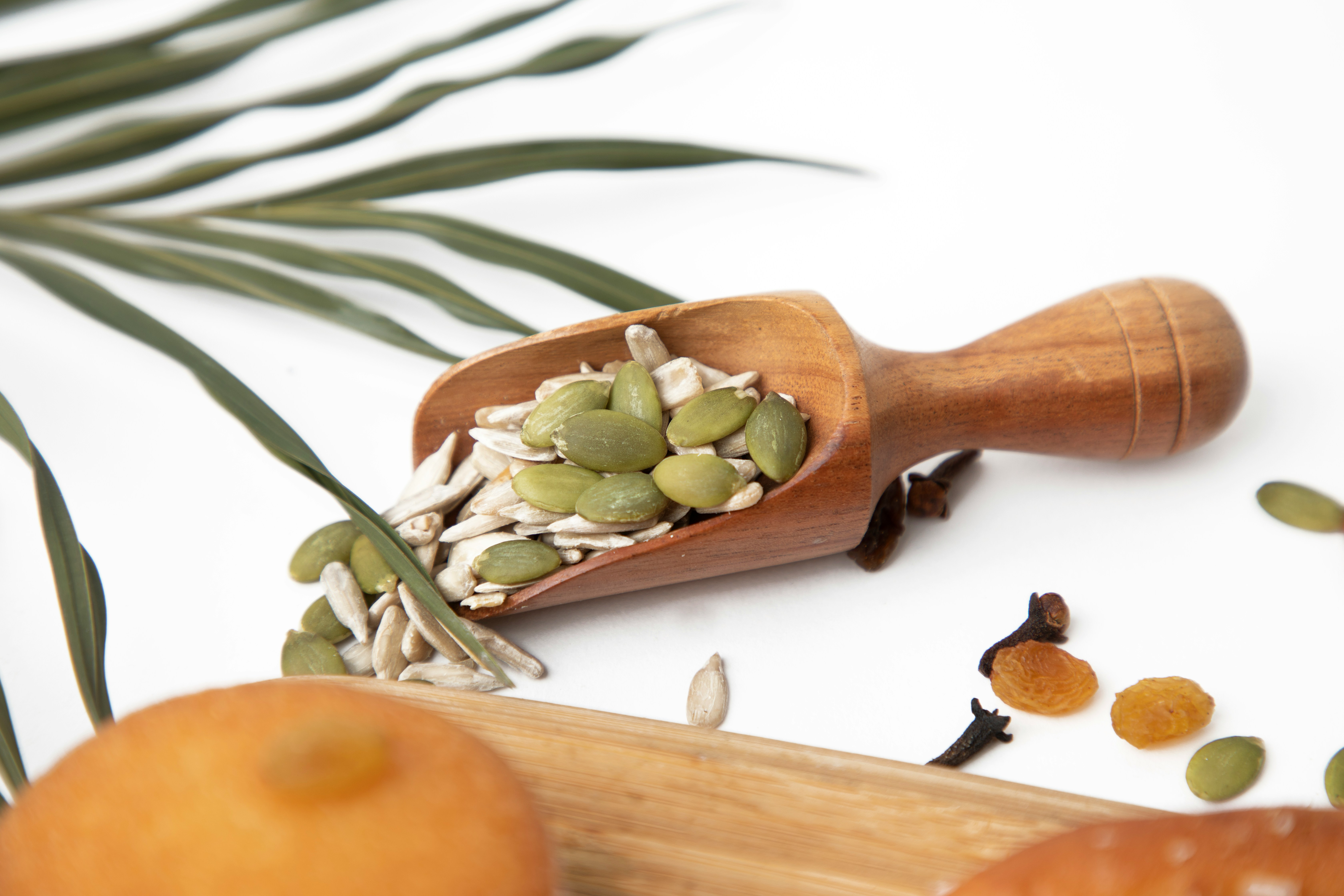
The usual version of seed cycling involves eating flax and pumpkin seeds during the first half of the cycle, then sesame and sunflower seeds during the second half. The theory is that the nutrient profile of these seeds supports estrogen in one phase and progesterone in another.
It sounds structured and natural, which is why many women find it appealing. In a time when hormone symptoms feel confusing, a ritual that appears gentle and food-based can feel reassuring.
The problem is not that seeds are unhealthy. They are nutritious foods. The problem is that the claim behind seed cycling is much stronger than the evidence supporting it.
What the science actually says
There is no strong clinical evidence showing that seed cycling as a protocol reliably balances hormones, regulates perimenopause, or improves menopause symptoms. Individual seeds contain nutrients such as fiber, healthy fats, lignans, and minerals, which can be beneficial overall. But that is not the same as proving the timing protocol changes ovarian hormone patterns in a meaningful way.
Much of the online enthusiasm comes from anecdote rather than controlled research. That does not mean no one feels better doing it. People may notice benefits because they are eating more nutrient-dense foods, improving digestion, or becoming more attentive to their cycle. Those are real effects, just not proof of the seed-cycling theory itself.
Why the idea spreads anyway
Hormone symptoms often leave women feeling under-informed and unsupported. Seed cycling offers a sense of agency. It feels simple, non-pharmaceutical, and harmless. It also promises order in a stage of life that can feel chemically chaotic.
That emotional appeal matters. Women are not foolish for trying it. They are usually trying to care for themselves in a medical culture that has not always explained hormones well.
Still, it helps to distinguish between a nourishing routine and a validated hormone treatment. If you enjoy the ritual, that is one thing. If you are relying on it to treat severe symptoms, that is another.
Is there any downside?
For most people, adding seeds to the diet is fine and may even be beneficial because of fiber and healthy fats. But there are practical downsides if the practice becomes rigid, expensive, or emotionally loaded. If you start believing you are failing your hormones by eating the wrong seeds on the wrong day, the practice is doing more harm than good.
It can also delay more effective treatment if you have major hot flashes, heavy bleeding, insomnia, or significant mood symptoms that deserve proper care. Menopause symptoms often need targeted support, not just symbolic dietary rituals.
A more grounded way to think about seeds
Seeds can absolutely belong in a healthy diet. Flax, chia, pumpkin, sesame, and sunflower seeds can contribute fiber, healthy fats, and minerals. If you like them, eat them. But you do not need to perform a phase-specific protocol to gain those nutritional benefits.
For many women, the better nutrition conversation is about overall dietary pattern: protein, fiber, whole foods, blood sugar steadiness, and cardiovascular support. Those fundamentals are more evidence-based than seed timing.
Useful food, weak evidence for the protocol
The fairest summary is this: seeds are healthy foods, but seed cycling is not a strongly evidence-based hormone therapy. If the ritual feels supportive and low-stress, fine. Just keep expectations realistic and do not let it replace evaluation or treatment for symptoms that are truly affecting your life.
If this helped you separate nutrition from online hormone claims, read more on Eve and Beyond or join our community for practical, science-led support that keeps wellness advice in perspective.
Medical disclaimer: This article is for educational purposes only and is not medical advice. It is not a diagnosis, treatment plan, or substitute for care from a qualified healthcare professional. If you have concerning symptoms, seek medical care promptly.