 P
P
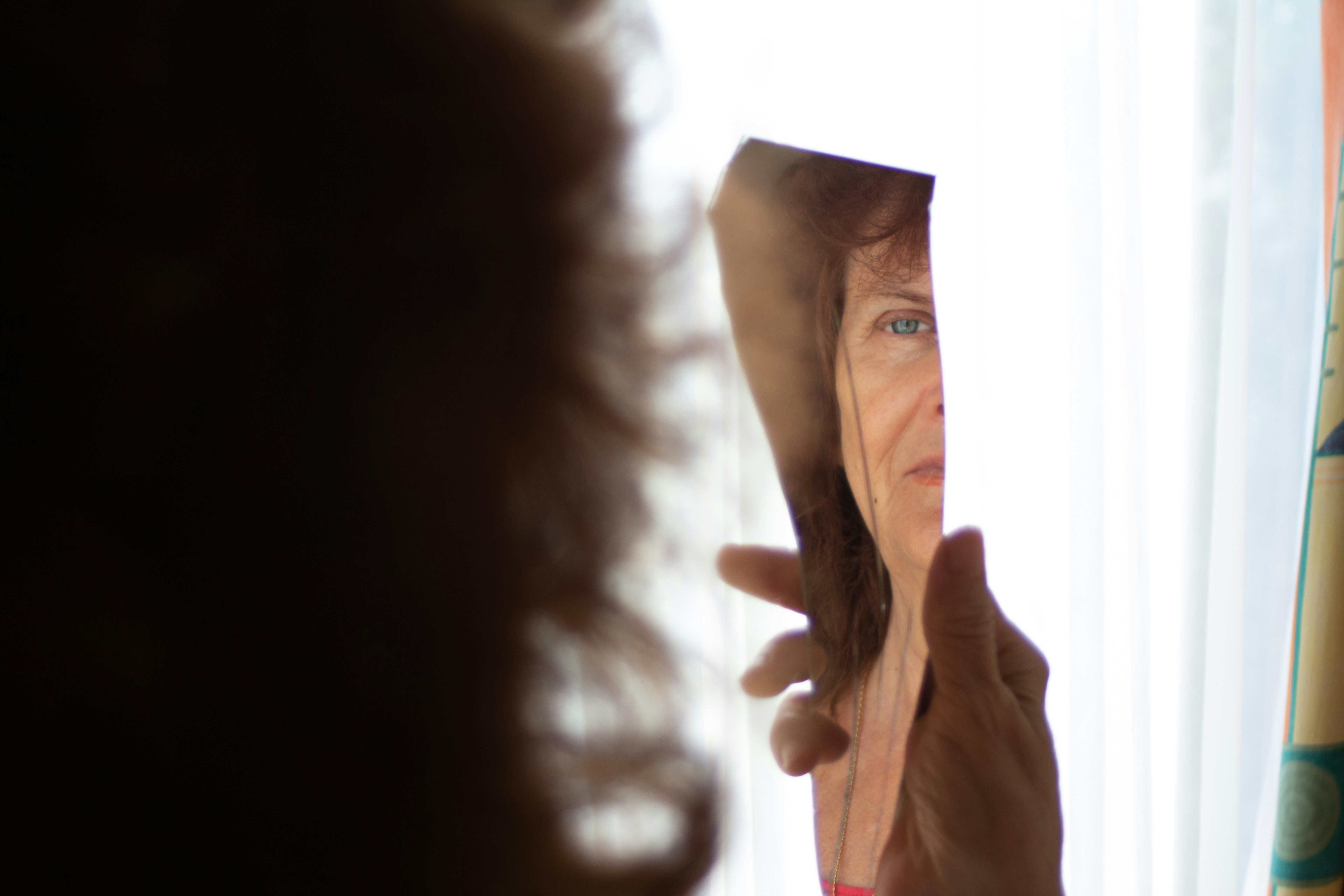
It is not dramatic. It is quiet, and that almost makes it worse. You look at your reactions and do not recognize them. Things that used to interest you have gone flat. The energy that used to carry you through long days is not there in the same way. You snap at people you love and then feel genuinely confused about where that came from. You are going through the motions of your life with a strange sense of distance from yourself, as if the person doing all of this is not quite who you remember being.
This is one of the most private and least discussed aspects of perimenopause: the identity disorientation. Not depression exactly, though it can look like it. Not a crisis exactly, though it has that quality of unreliability. Something quieter and harder to name. A sense that the self you have been for the past four decades has become slightly unstable, and that nobody around you seems to notice because from the outside, you look exactly the same.
You are not imagining it, and you are not losing yourself permanently. But you are in the middle of a hormonal transition that genuinely affects how you experience yourself, your reactions, your interests, your relationships, and your sense of who you are. Understanding why that happens does not make it instantly easier, but it makes it less frightening.
Why perimenopause affects identity
Identity is not fixed in the brain the way most people assume. How you experience yourself, your characteristic reactions, your interests, your sense of ease or difficulty in the world, is partly a product of your neurochemical environment. Change the neurochemistry significantly, and the self that emerges from it can feel different.
Estrogen affects serotonin, dopamine, GABA, and oxytocin, the chemical systems that regulate mood, motivation, pleasure, social bonding, and emotional resilience. The version of you who was confident, interested in things, patient with people you love, capable of absorbing setbacks without too much trouble, was partly a function of a stable hormonal environment supporting those systems. When that environment becomes unpredictable, the experience of self that came from it also becomes less predictable.
This is not a character change. Your values, your history, your relationships, your actual personality, remain continuous. But the emotional tone in which you experience all of those things can shift. The sense of vitality that made your interests feel engaging may be muted. The resilience that made stress manageable may feel less available. The warmth that made connection feel easy may require more effort to access.
For many women, the hardest part of this is the loss of the qualities they most valued in themselves. The woman who was known for patience. The woman who could always be counted on to stay steady. The woman who loved her work and brought energy to it. These qualities have not left. But the physiological conditions that made them effortless are less stable, and that gap between who you know yourself to be and how you are currently showing up can feel like grief.
What happens to interests and motivation
Loss of motivation and diminished engagement with activities that previously brought pleasure are well-documented features of perimenopausal mood changes. They are closely related to the dopamine and serotonin changes driven by estrogen fluctuation, and they can look very much like the anhedonia associated with clinical depression.
Women report that hobbies they loved no longer hold their attention. Creative work that used to come easily feels effortful or inaccessible. Social activities that previously felt enjoyable now feel like obligation. Some women stop doing things they were known for and find they cannot quite explain why, even to themselves.
This is not apathy as a character trait. It is a temporary neurological state with a hormonal cause. Many women find that motivation and engagement return, sometimes fully, as the hormonal transition progresses and eventually stabilizes. For some, the return follows hormonal treatment. For others, it coincides with postmenopause as the hormonal environment becomes more stable even at lower levels.
Knowing that this flatness is not permanent, and that it has a cause, helps. It does not feel better immediately, but it changes the relationship to it.
How relationships reflect the shift
The identity changes of perimenopause almost always show up in relationships, because relationships are where we most clearly see ourselves reflected.
Partners notice that she is different. Friends may feel a distance that she cannot fully account for. Children may feel the shorter fuse or the reduced availability. Professional relationships may feel harder to navigate. And the woman at the center of all of this is simultaneously dealing with the symptoms themselves and monitoring herself in all of these contexts, trying to manage the gap between who she knows herself to be and how she is currently landing with others.
The relational cost of perimenopause identity changes is rarely talked about. It can include a quiet withdrawal from friendships that require emotional effort, a reduced investment in romantic connection during a period when the effort of that connection is high, and a professional disengagement from work that used to feel meaningful.
None of this is inevitable. But it tends to happen silently, and naming it, to yourself and to the people closest to you, is more useful than managing it alone.
What helps
The most grounding thing is a factual understanding of what is happening. When the disorientation has a name and a cause, it is less existentially threatening. You are not becoming a different person. You are a consistent person whose neurochemical environment is currently less stable than it has been, and that instability is creating a different daily experience of yourself.
Hormone therapy is the most direct intervention for women who are appropriate candidates, because it addresses the hormonal fluctuation at its root. Many women report that a sense of recognizable self returns within weeks to months of starting estrogen therapy. That is not a placebo effect. It is a measurable neurochemical shift.
Consistent practices, not heroic ones, help maintain a thread of self-continuity through the disorientation. A daily walk. A creative practice at whatever reduced level is available. Maintaining one or two close relationships where you can be honest about what is happening.
Therapy can also help, not to treat the hormonal symptoms, but to navigate the grief of the identity gap and to build skills for the relational complexity of this period.
You will recognize yourself again. The goal right now is not to be who you were in the same way. It is to stay close enough to your own thread that you can find your way back when the terrain settles.
Medical disclaimer: This article is for educational purposes only and is not medical advice. It is not a diagnosis, treatment plan, or substitute for care from a qualified healthcare professional. If you have concerning symptoms, seek medical care promptly.