
 P
P
You looked in the mirror and did not quite recognize the shape you saw. Nothing dramatic, nothing sudden, but something has shifted. Your waist is thicker. Your jeans fit differently. The weight that used to sit on your hips seems to have traveled somewhere new, and no change to your diet or exercise routine has made the slightest difference. You have done everything you used to do. The rules stopped working.
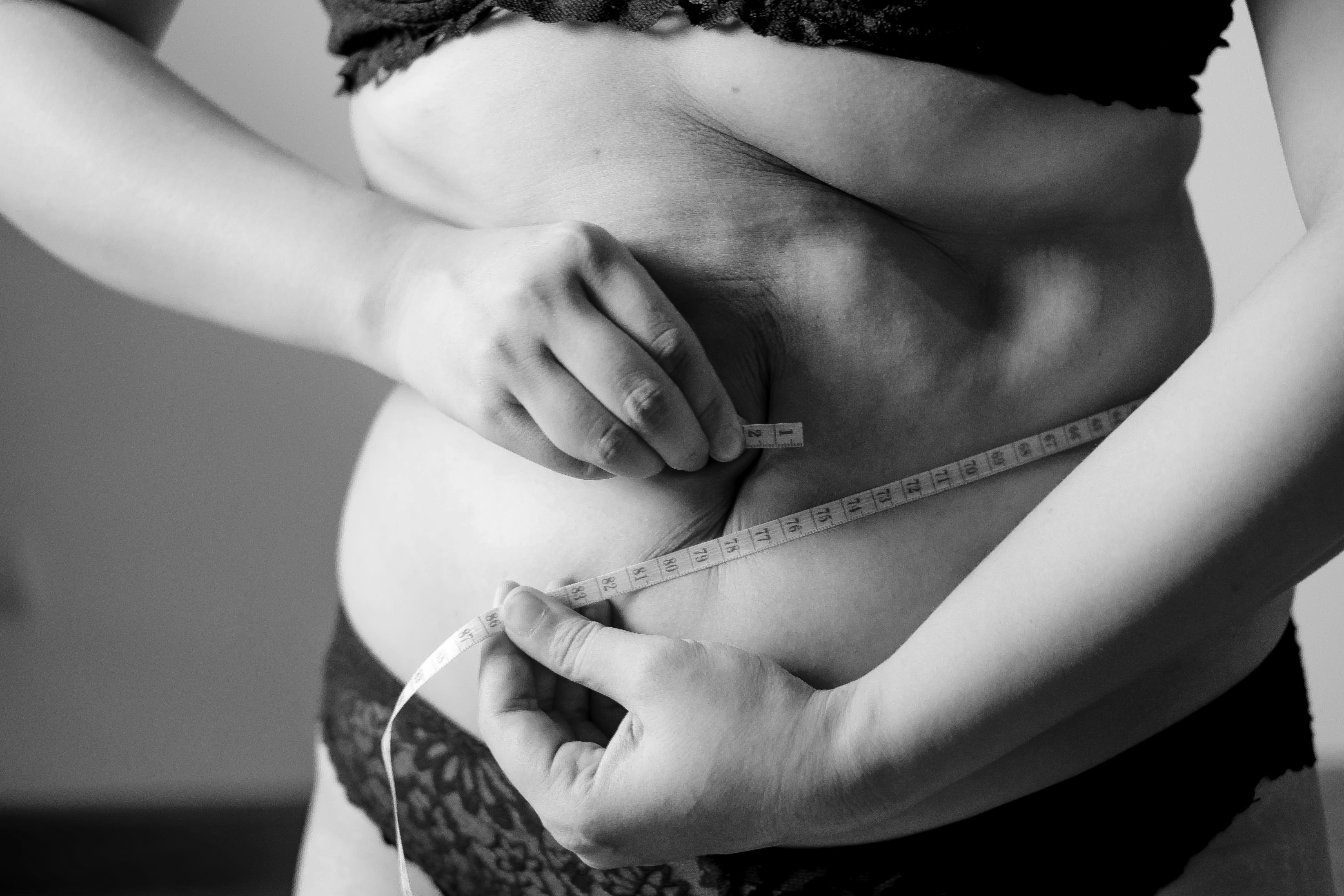
This is one of the most common and least explained experiences of perimenopause, and it is not about what you are eating or how hard you are training. The redistribution of fat toward the abdomen during the menopause transition is driven by hormonal changes that are documented, predictable, and not a reflection of personal discipline. You are not failing at your body. Your body is responding to a significant hormonal shift in a way that is biologically expected.
This article explains exactly why fat moves to the middle during perimenopause, which hormones are responsible, why the usual advice often does not work, and what the evidence actually suggests can help. You will finish this with a clearer picture and a more useful approach than “try harder.”
What is driving the change
Estrogen does not just regulate the menstrual cycle. One of its lesser-known roles is directing where the body stores fat. When estrogen is present at adequate levels, the body tends to store fat in the hips, thighs, and buttocks. This is sometimes called gynoid or pear-shaped fat distribution. It is hormonally regulated, not purely a function of diet.
As estrogen declines during perimenopause, the body shifts toward a more android, or apple-shaped, distribution pattern, with fat accumulating around the abdomen and internal organs. This visceral fat is metabolically active and behaves differently from subcutaneous fat. It produces inflammatory compounds, affects insulin sensitivity, and is associated with higher cardiovascular risk than fat stored elsewhere.
This shift can happen even in women who have not gained any weight overall. The scale may not change, but the distribution does, and that is why the mirror looks different even when the number stays the same.
Cortisol adds another layer. Chronic stress, disrupted sleep, and the physiological strain of hormonal fluctuation all elevate cortisol levels. Cortisol promotes fat storage specifically in the abdominal region and drives the breakdown of muscle mass, which reduces metabolic rate. The perimenopausal years are frequently high-stress years in multiple dimensions, which compounds the hormonal effect.
Insulin sensitivity is also affected. Estrogen helps the body use insulin efficiently. As it declines, many women notice an increased sensitivity to carbohydrates, meaning the same foods that felt neutral before now seem to contribute more readily to weight gain or to blood sugar fluctuations that drive hunger and fatigue.
Why the things that used to work no longer do
This is the piece that most women find most frustrating, because it feels like a betrayal. The same calorie approach, the same exercise routine, the same habits that maintained their weight for decades stop producing the same result.
Several things are happening simultaneously. Muscle mass declines with age and with estrogen loss, which lowers the resting metabolic rate. The body burns fewer calories at rest than it did ten years ago, but the information it received about hunger and satiety does not update automatically. Appetite can remain the same while the caloric need decreases.
High-intensity exercise, which many women have been told is the answer, can actually elevate cortisol further when the body is already under hormonal stress. This does not mean intense exercise is harmful. It means the relationship between exercise and body composition during perimenopause is more nuanced than simply working harder.
Sleep deprivation, which is extremely common during perimenopause, directly affects the hormones that regulate appetite. Ghrelin, the hunger hormone, rises with poor sleep, and leptin, which signals fullness, decreases. Women who are sleeping badly are physiologically inclined to eat more and to find it harder to feel satisfied. This is not a willpower issue. It is the predictable hormonal consequence of sleep disruption.
What the evidence suggests actually helps
Resistance training is one of the most evidence-supported approaches for perimenopausal body composition. Building and maintaining muscle mass raises the resting metabolic rate and supports insulin sensitivity. A 2022 review in the journal Menopause found that progressive resistance training was associated with significant reductions in visceral fat and improvements in metabolic markers in perimenopausal and postmenopausal women.
Protein intake matters more during this phase than it did earlier. Adequate protein supports muscle synthesis and helps with satiety. Many women who eat what would have been sufficient protein in their 30s find they need more in their 40s and 50s to maintain muscle and manage appetite. Aiming for around 1.2 to 1.6 grams of protein per kilogram of body weight per day is a range supported by current sports nutrition and women’s health research.
Sleep, while difficult to prioritize when it is already disrupted, has a measurable impact on body composition during perimenopause. Improving sleep, whether through addressing night sweats, managing stress, or adjusting sleep habits, supports both hormonal balance and the metabolic function that regulates weight.
Reducing refined carbohydrates and alcohol, not eliminating them, but reducing them, can help manage the increased insulin sensitivity that comes with estrogen decline. The goal is stability in blood sugar throughout the day rather than restriction.
The conversation worth having with your doctor
If you are concerned about abdominal weight gain during perimenopause, it is worth discussing hormonal status with your doctor, not because hormone therapy is appropriate for everyone, but because estrogen therapy has been shown in some studies to reduce visceral fat accumulation during the menopause transition. This is a personal medical decision with factors beyond body composition, but it is a conversation that deserves to be on the table.
What is not helpful is being told to simply eat less and move more without any acknowledgment of the hormonal context. If that is the only advice you are receiving, it may be time to seek a provider who has a more complete understanding of perimenopausal physiology.
Your body is not broken. It is responding to a real shift in its hormonal environment. Understanding that shift is the first step toward working with it rather than fighting it.
Medical disclaimer: This article is for educational purposes only and is not medical advice. It is not a diagnosis, treatment plan, or substitute for care from a qualified healthcare professional. If you have concerning symptoms, seek medical care promptly.