
 P
P
You felt it when you laughed. Then when you sneezed. Then when you started running and had to stop. You never told anyone. Not your doctor, not your closest friends, not even your partner. You adapted: you started wearing a pad on certain days, you stopped doing the classes you loved, you scoped out bathrooms at every venue before events. You told yourself this was just part of getting older. You told yourself everyone deals with this. You told yourself there was nothing to be done.
None of those things are true. Urinary leakage and pelvic floor dysfunction are not an inevitable and permanent feature of midlife. They are a treatable condition, and they are directly linked to the hormonal changes of menopause in ways that open up specific, effective treatment pathways. The silence around them is the only reason more women are not getting help.
This article explains what happens to the pelvic floor during menopause, how it connects to the broader picture of genitourinary syndrome of menopause, what pelvic floor physiotherapy can do, and what other treatments are available for women whose symptoms are affecting their quality of life.
What is the pelvic floor and why does menopause matter
The pelvic floor is a group of muscles, ligaments, and connective tissue that forms the base of the pelvis. It supports the bladder, bowel, and uterus, and it plays a central role in urinary and bowel control, sexual function, and core stability. It is a dynamic structure, not a passive hammock, and like all muscle and connective tissue in the body, it is directly affected by hormonal environment.
Estrogen receptors are present throughout pelvic floor tissue, including in the muscles, the urethra, the bladder, and the vaginal wall. Estrogen maintains the elasticity, thickness, and suppleness of this tissue. When estrogen levels decline during perimenopause and menopause, pelvic floor tissue undergoes the same kind of thinning and loss of resilience that affects vaginal tissue more broadly. The result is a reduced ability to maintain continence under load, reduced urethral closing pressure, and increased vulnerability to pelvic organ prolapse.
The 2025 joint clinical guideline from the American Urological Association, Society of Urodynamics, Female Pelvic Medicine and Urogenital Reconstruction, and American Urogynecological Society on genitourinary syndrome of menopause identifies urinary symptoms, including urgency, frequency, nocturia, and stress urinary incontinence, as core features of GSM. This means pelvic floor dysfunction in menopause is not a separate issue from vaginal dryness or pain during sex. It is part of the same hormonal picture.
Statistics on prevalence are significant. Approximately 50% of women over 50 experience some form of urinary incontinence. Stress urinary incontinence, leaking with coughing, sneezing, laughing, or exercise, is the most common type, followed by urgency incontinence. Many women experience a combination of both. Despite how common it is, most women do not raise it with their doctors, and estimates suggest fewer than half of women with significant urinary incontinence seek treatment.
The pelvic floor physiotherapy evidence
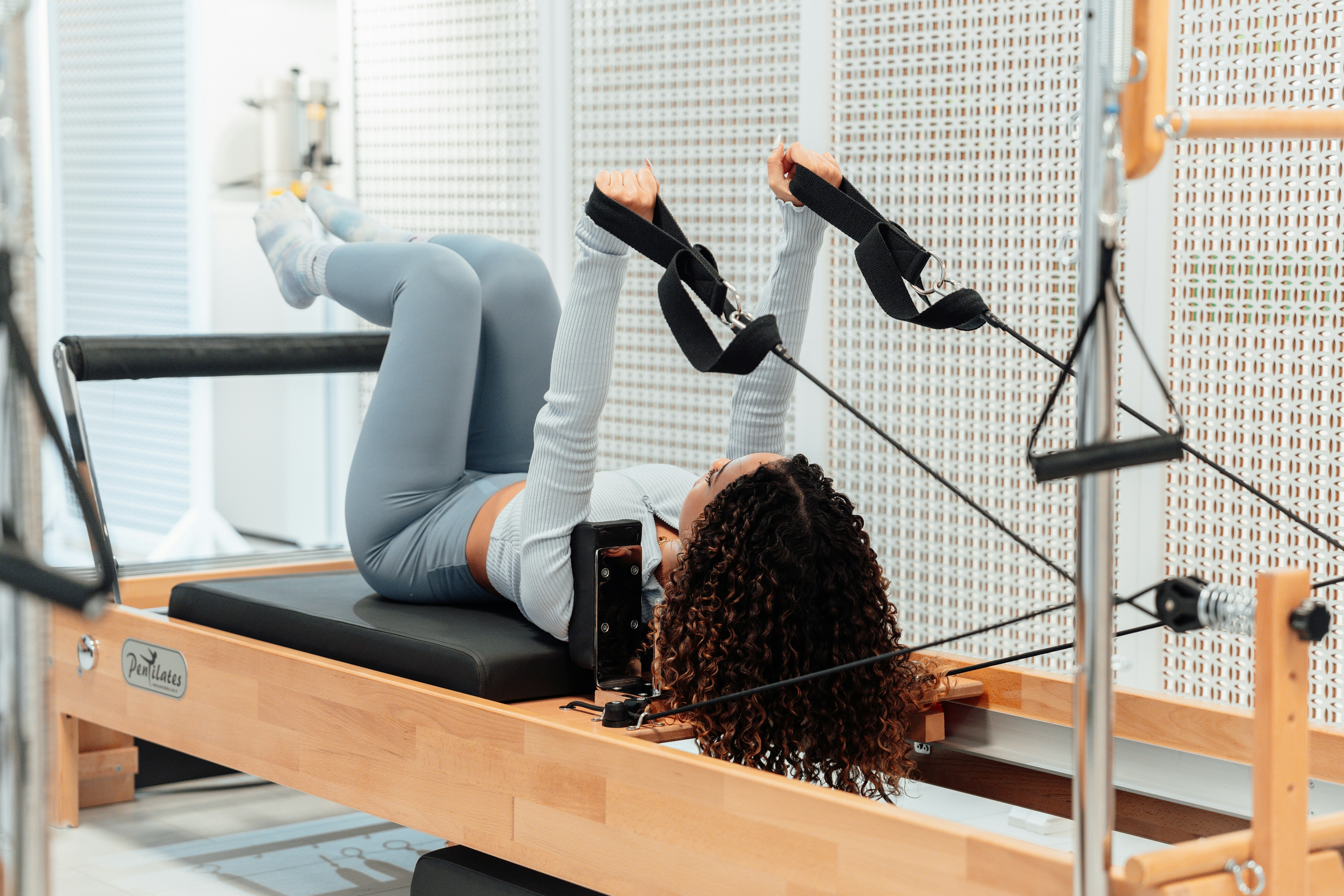
Pelvic floor physiotherapy, sometimes called pelvic floor physical therapy or pelvic rehabilitation, is widely considered the first-line treatment for stress urinary incontinence and pelvic floor dysfunction. Unlike generic Kegel instructions, it involves assessment of pelvic floor muscle function by a trained physiotherapist, identification of whether the problem involves weakness, overactivity, or impaired coordination, and a tailored program addressing the specific dysfunction.
A Cochrane review, one of the gold standard systematic reviews in evidence-based medicine, found that pelvic floor muscle training under the guidance of a physiotherapist was more effective than standard care or minimal intervention for stress, urgency, and mixed urinary incontinence in women. The evidence was graded as high quality, making this one of the better-supported conservative interventions in women’s health.
The key point about pelvic floor physiotherapy is that it often addresses both weakness and tension. Many women assume pelvic floor problems stem from weakness and approach treatment by simply doing more Kegel exercises. In reality, pelvic floor dysfunction frequently involves hypertonic (overly tight) muscles that cannot relax or coordinate effectively. More contractions can make this worse rather than better. This is why assessment by a trained professional matters so much more than generic advice.
Dr. Kelly Casperson, a board-certified urologist with a focus on women’s sexual and urological health, emphasizes in her practice and public communication that pelvic floor dysfunction, including symptoms of urgency, frequency, and leakage, is dramatically undertreated because women either do not bring it up or are not referred appropriately. She notes that a single appointment with a pelvic floor physiotherapist often changes the trajectory for women who have been managing symptoms alone for years.
The connection between pelvic floor dysfunction and GSM
Pelvic floor dysfunction in menopause rarely exists in isolation. The same estrogen depletion that affects pelvic floor muscles also affects urethral tissue, vaginal tissue, and the vaginal microbiome, creating a cluster of symptoms that the 2025 AUA/SUFU/AUGS guidelines describe as the urogenital component of GSM.
Women experiencing pelvic floor symptoms at menopause often also notice changes in vaginal lubrication, increased susceptibility to urinary tract infections, changes in urinary urgency or frequency, and discomfort during sex. These are different manifestations of the same underlying hormonal shift, and treating them together typically produces better results than addressing each in isolation.
Low-dose vaginal estrogen, which is the gold standard treatment for vaginal and urethral tissue changes in GSM, also supports pelvic floor tissue health. Studies show it reduces urgency incontinence, decreases UTI frequency, and improves urethral closing pressure. For women with both pelvic floor dysfunction and vaginal symptoms, low-dose vaginal estrogen combined with pelvic floor physiotherapy represents the most comprehensive approach currently supported by the evidence.
Other treatment options
For women with significant urge incontinence that does not respond to pelvic floor physiotherapy, several additional options exist. Bladder training, a behavioral program that gradually increases the intervals between voiding, has good evidence for urgency incontinence. Medications including anticholinergic agents and beta-3 agonists (mirabegron) are effective for overactive bladder but come with side effect profiles that require individual consideration.
For stress incontinence that does not respond to conservative management, surgical options including mid-urethral sling procedures are available and have strong evidence behind them. These are typically considered after conservative approaches have been thoroughly tried.
Devices including pessaries can provide mechanical support for pelvic organ prolapse and may reduce leakage symptoms. These are fitted by a gynecologist or urogynecologist and are a non-surgical option for women who want physical support.
Breaking the silence
The most important thing this article can do is give you permission to bring this up. If you are experiencing leakage, urgency, pelvic pressure, or any other pelvic floor symptom, these are medical symptoms deserving medical attention. They are not embarrassing admissions of failure. They are not just part of aging. They are treatable.
Ask your doctor for a referral to a pelvic floor physiotherapist. Ask about low-dose vaginal estrogen if you have vaginal or urinary symptoms alongside pelvic floor symptoms. If your doctor dismisses these symptoms as inevitable, seek a second opinion from a provider who specializes in women’s health or urogynecology.
The leaking when you laugh is not your normal to manage alone. Help is available. It works. You deserve it.
Medical disclaimer: This article is for educational purposes only and does not constitute medical advice, diagnosis, or treatment. Always consult a qualified healthcare provider regarding any medical condition or before starting any new treatment.