 P
P
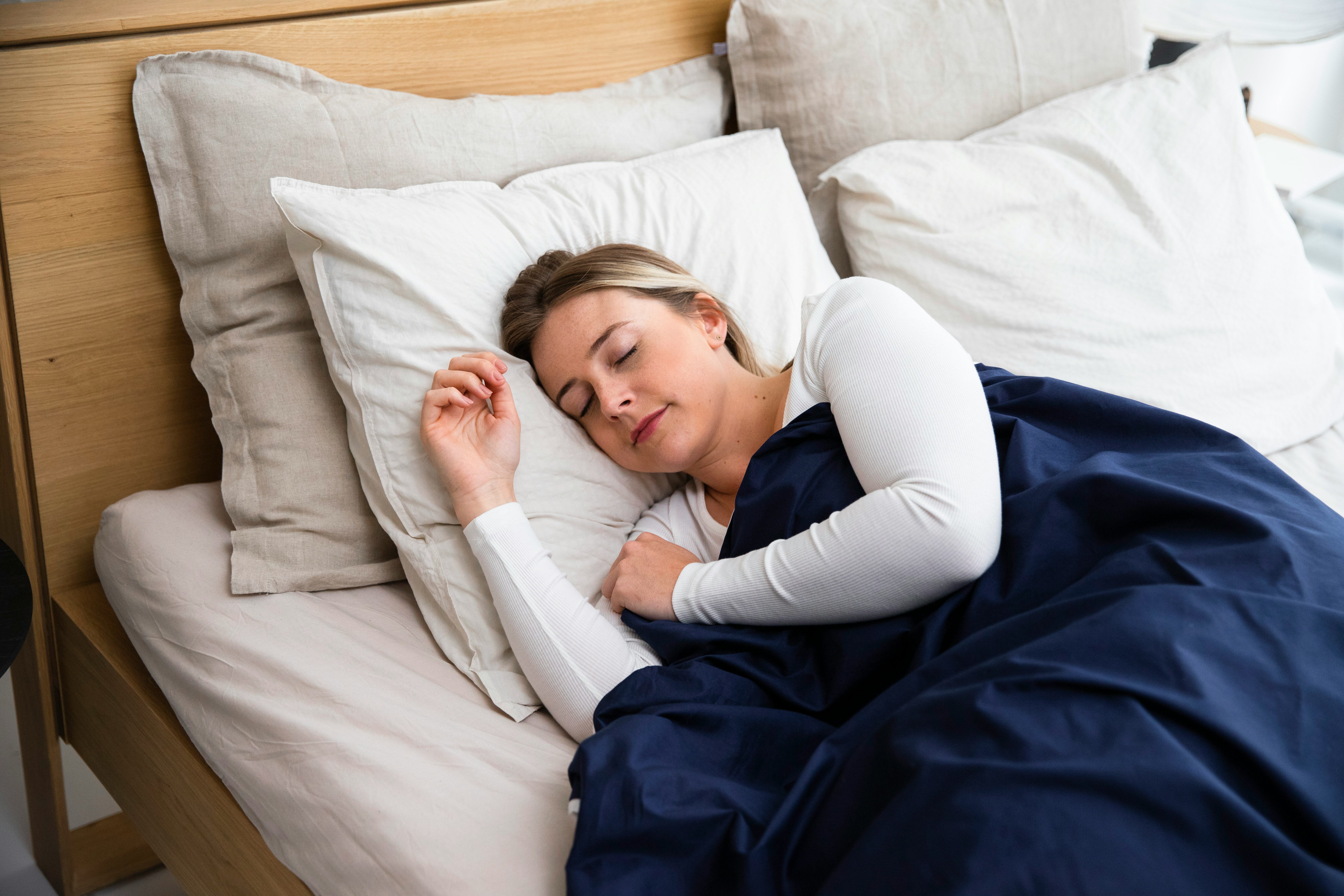
You are exhausted but you cannot fall asleep. You fall asleep but wake at 2am with your heart racing and your mind already running. You lie there for an hour, maybe two, calculating how many hours you have left before your alarm goes off. If this is your nightly reality right now, it is not anxiety, it is not stress and it is not your fault. It is hormonal, it is extremely common during perimenopause and menopause, and there are evidence-backed reasons why it is happening to you specifically.
Why menopause changes sleep so much
Sleep depends on stable interactions between hormones, temperature regulation, mood, stress response, and circadian rhythm. Menopause affects several of those systems at once. Estrogen influences thermoregulation and aspects of brain chemistry tied to sleep. Progesterone has calming effects on the nervous system. When those signals change, sleep can become more fragile.
This is why women often describe insomnia as arriving out of nowhere in perimenopause. They may have slept well for decades and then suddenly find themselves awake at 3 a.m., unable to settle, or sleeping just lightly enough that every sound pulls them back into consciousness.
Research from SWAN and other menopause studies has consistently found higher rates of sleep complaints during the transition. The symptom is common, but that does not make it trivial.
The main patterns of menopause insomnia
Some women cannot fall asleep even though they feel tired. Others fall asleep quickly but wake repeatedly because of heat, sweating, or internal restlessness. Many wake in the early morning and feel fully alert long before they want to be.
Hot flashes are a major contributor, but not the only one. Anxiety, palpitations, sleep apnea, alcohol, irregular routines, pain, and the body’s changing stress response can all contribute. Menopause insomnia is often a layered problem rather than a single issue with a single solution.
Understanding your pattern matters. Trouble falling asleep may call for different support than repeated wake-ups driven by hot flashes.
What makes it worse
Sleep debt is one of the biggest amplifiers. After several rough nights, the nervous system becomes more vigilant, and bedtime starts to feel loaded with pressure. The fear of not sleeping can become almost as disruptive as the original symptom.
Alcohol often worsens the second half of the night, even if it seems relaxing at first. Caffeine tolerance may change in midlife as well. Stress, heavy evening meals, late scrolling, and inconsistent wake times can also make an already sensitive system more unstable.
The goal is not perfection. It is identifying what reliably turns a difficult night into an impossible one.
What actually helps most
The most helpful strategies depend on the cause. If hot flashes are waking you, treating vasomotor symptoms matters. If insomnia has become chronic, CBT-I has one of the strongest evidence bases among non-drug treatments. If anxiety or panic-like waking is part of the picture, that needs direct support too.
Consistent wake times, morning light exposure, a gentler evening routine, and less pressure around sleep can all help. Our free sleep protocol offers a practical wind-down checklist if you want a structured starting point. So can reducing alcohol and noticing whether caffeine needs to move earlier in the day. For some women, hormone therapy or nonhormonal treatments meaningfully improve sleep by reducing the symptoms causing the disruption.
Good insomnia care is usually strategic, not one-size-fits-all.
When to look deeper
If you snore heavily, gasp in sleep, wake with headaches, or feel profoundly unrefreshed despite enough time in bed, sleep apnea should be considered. It is underdiagnosed in women and becomes more common after menopause. Likewise, severe anxiety, depression, pain, restless legs, or medication effects can all drive insomnia.
Menopause may be the backdrop, but it should not block investigation of other important causes.
Better sleep starts with a kinder explanation
One of the most useful things women can learn is that menopause insomnia is often physiologic before it is behavioral. That does not mean habits do not matter. It means you are not failing because a body in transition has become harder to settle.
If this article helped you understand why sleep has changed, read more on Eve and Beyond or join our community for practical, science-led support that takes rest seriously.
If you are looking for a practical starting point, our free sleep protocol is a science-led wind-down checklist designed specifically for hormonal sleep disruption. You can download it instantly at Eve and Beyond.
Medical disclaimer: This article is for educational purposes only and is not medical advice. It is not a diagnosis, treatment plan, or substitute for care from a qualified healthcare professional. If you have concerning symptoms, seek medical care promptly.