 P
P
Hair loss during menopause is common, and it usually reflects a mix of hormonal change, aging, genetics, stress, and overall health rather than one single cause. The good news is that it deserves evaluation, because not all midlife hair loss should be dismissed as inevitable.
Why menopause can affect hair
Hair growth depends on a healthy growth cycle, adequate nutrition, genetics, and a hormonal environment that supports follicles. During menopause, falling estrogen and progesterone may shorten the growth phase and allow hair to become finer over time. At the same time, the relative influence of androgens may become more noticeable in some women.
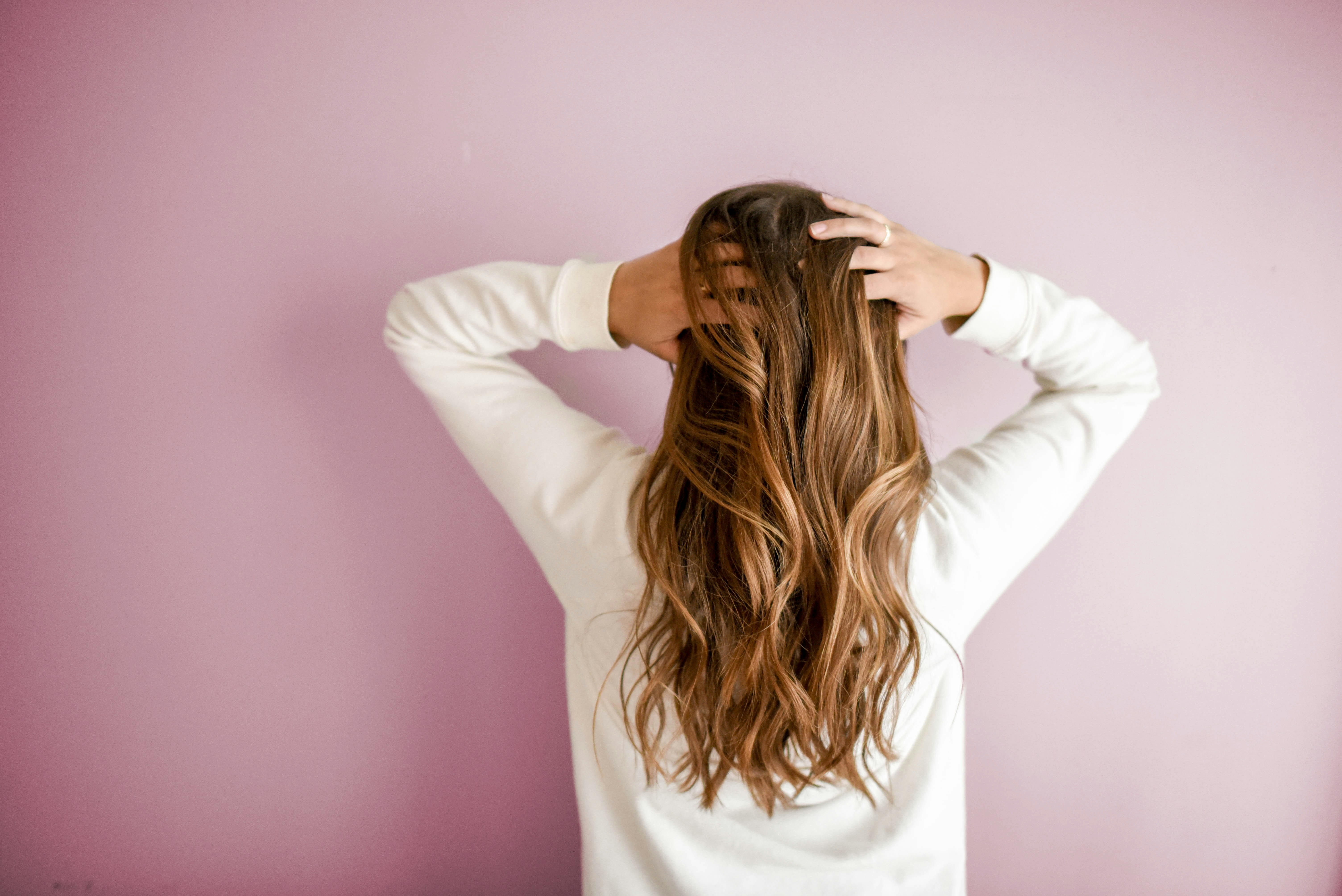
That hormonal shift can contribute to female pattern hair thinning, which often shows up as widening at the part line or reduced density at the crown rather than obvious bald spots. Some women also notice more shedding in the shower or when brushing.
Hair changes can feel surprisingly emotional because they are visible and immediate. They can alter how you see yourself at exactly the stage when your body may already feel unfamiliar. The same hormonal environment that affects hair also drives changes in skin texture and elasticity.
Menopause is not the only cause
This is an important point. Hair loss in midlife can also be related to thyroid disease, iron deficiency, low protein intake, recent illness, major stress, medication effects, autoimmune conditions, or rapid weight loss. Heavy bleeding in perimenopause can contribute to iron deficiency, which is one of the most common reversible contributors.
If shedding is sudden, severe, patchy, or accompanied by scalp symptoms such as pain, burning, scale, or redness, it is worth seeking evaluation from a clinician or dermatologist. A good assessment may include medical history, scalp exam, and sometimes lab work.
Not every kind of hair loss behaves the same way, and the right help depends on identifying the pattern.
What actually helps
The first step is identifying and treating reversible causes. If iron is low, that matters. If thyroid function is off, that matters. If a medication is contributing, that matters too. Once those pieces are addressed, treatment depends on the pattern of loss.
For female pattern thinning, topical minoxidil has the strongest evidence base among widely used treatments. It can help some women maintain or improve density over time, but it requires consistency and patience. Results are gradual, often measured over months rather than weeks.
Nutrition also matters. Adequate protein, iron, vitamin D when needed, and overall nutritional sufficiency support hair health. Supplements are not magic, but deficiency does deserve correction.
What about hormone therapy?
Some women wonder whether menopausal hormone therapy will restore their hair. The answer is not simple. Hormone therapy may improve some symptoms of menopause and may indirectly help if sleep, stress, or overall symptom load improves, but it is not a guaranteed hair treatment.
Some women notice stabilization, while others do not see much change. The decision to use hormone therapy should be based on your broader symptom picture and health profile, not on the promise of perfect hair recovery.
This is another example of why marketing around menopause can be misleading. Hair growth products are often sold with certainty that real clinical care cannot honestly provide.
What not to blame on yourself
Hair thinning can trigger a lot of self-judgment. Women often wonder if they caused it through stress, bad diet, too much coloring, or not taking the right supplement. Sometimes grooming practices matter a little. More often, the bigger drivers are genetics, hormones, and health factors that are not fully within your control.
That does not mean you are powerless. It means the goal is informed action, not self-blame. Gentle hair care, targeted evaluation, and evidence-based treatment are much more useful than panic buying every product marketed to midlife women.
You deserve real answers, not beauty-industry noise
Hair changes during menopause are common, but that does not make them trivial. They affect confidence, identity, and everyday comfort in your own skin. If your hair is changing, it is reasonable to want a clear explanation and a plan.
If this article helped you sort through the possibilities, read more on Eve and Beyond or join our community for practical, science-led support that respects how personal these changes can feel.
Medical disclaimer: This article is for educational purposes only and is not medical advice. It is not a diagnosis, treatment plan, or substitute for care from a qualified healthcare professional. If you have concerning symptoms, seek medical care promptly.