
 P
P
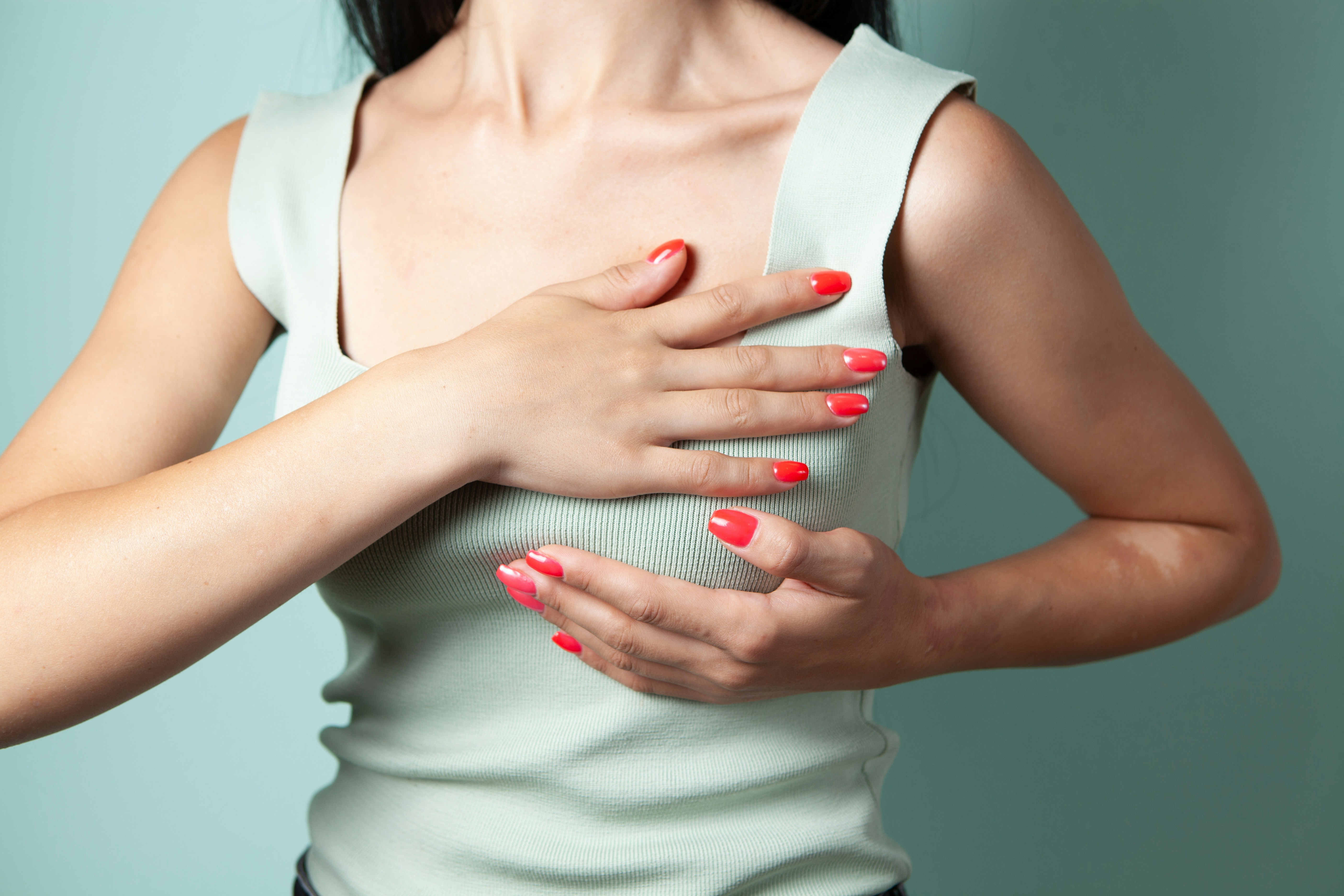
Heart palpitations can happen during perimenopause, and many women describe them as pounding, fluttering, skipped beats, or a sudden racing feeling in the chest. They can be benign, but they should never be dismissed automatically because some causes need proper medical evaluation.
Why palpitations can happen during hormone transition
Perimenopause is a time of changing estrogen and progesterone patterns, and those shifts can influence the cardiovascular and nervous systems. Estrogen affects blood vessels, autonomic regulation, and the way the body responds to adrenaline. Progesterone also interacts with the nervous system. When those hormones fluctuate, some women become more aware of their heartbeat or have episodes of faster heart rate.
Palpitations may also show up alongside hot flashes, anxiety surges, nighttime waking, or feelings of internal restlessness. In that context, the nervous system is often more reactive overall. Research has found that palpitations are a reported symptom during the menopause transition, even though they get less attention than hot flashes or sleep changes.
That said, “common” does not mean “ignore it.” Hormones can be part of the picture without being the only explanation.
What palpitations can feel like
Women use many different words for this symptom. Some feel a pounding heartbeat in the chest or throat. Others notice a flip-flop sensation, brief fluttering, or the feeling that the heart skipped and then hit harder on the next beat. Episodes may last seconds or minutes, and they may happen at rest, while lying in bed, or during a stressful moment.
Palpitations can feel especially intense at night because the room is quiet and you are more aware of body sensations. If you wake from sleep with a rush of heat, a racing heart, and anxiety, it can be hard to tell which came first. For many women, the experience is frightening even when it turns out not to be dangerous.
This fear is understandable. The symptom involves your heart. It should be taken seriously enough to assess, not brushed aside with a casual “that is just menopause.”
Other causes that need to be considered
Palpitations overlap with many non-hormonal issues. Caffeine, alcohol, nicotine, dehydration, poor sleep, panic attacks, thyroid disease, anemia, stimulant medications, and some supplements can all trigger them. Heart rhythm disorders, while less common, are also possible.
If palpitations are frequent, worsening, new to you, or associated with shortness of breath, fainting, dizziness, chest pain, or exercise intolerance, you need medical evaluation. The same is true if you have known heart disease, high cardiovascular risk, or a strong family history of rhythm problems or sudden cardiac events.
Sometimes the cause is something relatively fixable, like iron deficiency or thyroid dysfunction. Sometimes it is benign extra beats that feel dramatic but are not dangerous. The point is that you cannot determine that by assumption alone.
How clinicians usually evaluate palpitations
Evaluation often starts with a symptom history: when the episodes happen, how long they last, whether they occur with exertion, what they feel like, and whether they come with dizziness, chest pain, or shortness of breath. Clinicians may check blood pressure, pulse, thyroid labs, iron status, or electrolytes depending on the situation.
An electrocardiogram, or ECG, may be done in the office, but because palpitations can be intermittent, a heart monitor worn for days or weeks is sometimes more useful. This can help identify whether the sensation matches a normal rhythm, extra beats, or something that needs further attention.
Perimenopause should be part of the history, not the whole explanation. A good workup does not scare you unnecessarily, but it also does not skip the basic safety steps.
What tends to make hormone-related palpitations worse
For some women, sleep deprivation is a major amplifier. A tired nervous system is more reactive, and the body is more sensitive to adrenaline after fragmented nights. Alcohol can also trigger palpitations, especially overnight. Caffeine tolerance may suddenly change in midlife as well.
Stress, blood sugar swings, dehydration, and heavy menstrual bleeding can all add to the problem. If you are losing significant blood during periods, anemia may be contributing. If palpitations seem to cluster around hot flashes, nighttime waking, or surges of anxiety, that pattern is worth tracking and bringing to a clinician.
The goal is not to become hypervigilant. It is to notice patterns that make the symptom easier to interpret and safer to evaluate.
What is normal and what is not
What may be relatively common in perimenopause is a brief awareness of pounding, fluttering, or racing that comes and goes, especially during hot flashes, stress, or nighttime waking. What is not something to self-explain away is any episode tied to fainting, chest pressure, marked shortness of breath, severe dizziness, or prolonged irregular rhythm.
You do not have to choose between panic and dismissal. There is a middle path: take the symptom seriously, get appropriate evaluation, and keep hormone transition on the list of possible contributors. That is the most grounded approach.
If your heartbeat has started feeling unfamiliar during perimenopause, you are not imagining it, and you are not weak for wanting it checked. Read more articles on Eve and Beyond or join our community for practical, science-led support that takes your symptoms seriously.
Medical disclaimer: This article is for educational purposes only and is not medical advice. It is not a diagnosis, treatment plan, or substitute for care from a qualified healthcare professional. If you have concerning symptoms, seek urgent medical care promptly.